


There’s a particular pressure that comes with being the person who lives somewhere. When my mum and aunties came to visit, I suddenly felt the weight of every choice. Where do we go first? What’s actually worth the queue? What will they still be talking about on the flight home?
We had three days in London. I’ve lived here long enough to know which places survive contact with real expectations and which ones are mostly famous for being famous. This is what we did, what worked, and what I’d do differently.
If you’d rather watch than read, I covered the whole trip on my YouTube channel. You can find the full vlog here
Where to stay in London
We stayed in an Airbnb, which worked for us but isn’t something I’d universally recommend — location matters a lot and quality varies wildly. If you want something more consistent, here are a few options worth looking at:
Premier Inn is the reliable budget staple — decent rooms, consistent quality, locations all over the city. citizenM (they have a few London locations including Tower of London and Shoreditch) is a step up in design without a huge jump in price, and the rooms are genuinely smart. YHA London Central in Oxford Street is the best value if you’re happy with a hostel setup — private rooms available, central location, and extremely well-run.
For location, anywhere on the Central, Jubilee, or Northern line puts you within easy reach of most of what’s in this guide.
Getting around London
The Tube is your default, but don’t underestimate the bus — it’s slower, but you actually see the city, which matters when you’re showing someone around for the first time. (Bus 11 & 26 take you to many London landmarks!)
Uber Boat by Thames Clippers is the one I’d specifically recommend doing at least once. It stops at major landmarks along the river — including Embankment, Bankside, Tower of London, and Canary Wharf — and a single journey costs roughly the same as the Tube. We used it on Day 3 to get from the east of the city to Tower of London, and it was one of the best decisions of the trip. No tour boat performance, no commentary you didn’t ask for. Just a fast river commute with one of the best views in London.
Is the London Pass worth it?
If you’re planning to hit multiple paid attractions in a few days, the short answer is yes. Do the maths before you go and it usually works out.
Entry to top sights like the Tower of London (around £36) and Westminster Abbey (around £30) adds up quickly, and that’s before you factor in Tower Bridge, Kew Gardens, and anything else on the list. A 1-day London Pass starts from around £79 for an adult — covering 90+ attractions — which can save you around 28% if you’re packing in a full day of sightseeing.
The specific perk worth calling out for this itinerary: the London Pass includes a full day of hop-on hop-off access to Uber Boat by Thames Clippers, which on its own is worth around £24. Given that I’d recommend taking the boat at least once anyway, having it covered by the pass makes the maths even easier.
It’s worth being honest about when it doesn’t make sense: if your London days include mostly free attractions (the Natural History Museum and V&A are both free), or if you’re moving at a slower pace and only doing one or two paid stops per day, individual tickets will likely work out cheaper. Run the numbers for your specific itinerary before committing.
Day 1: Westminster, Royal London & the West End
Westminster Bridge & Big Ben
Start here early — and I mean properly early, before 9am if you can manage it. Two reasons: the crowds haven’t arrived yet, and the light is better. Later in the morning the sun comes from behind the bridge, which means every photo you take of Big Ben has lens flare or silhouette. Get there first, get the shot, then go for breakfast.
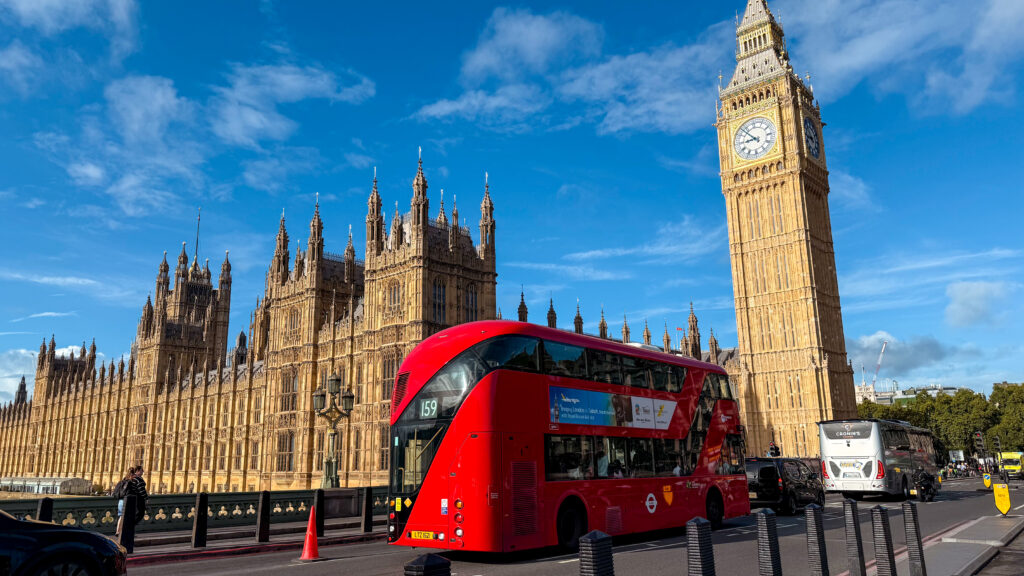
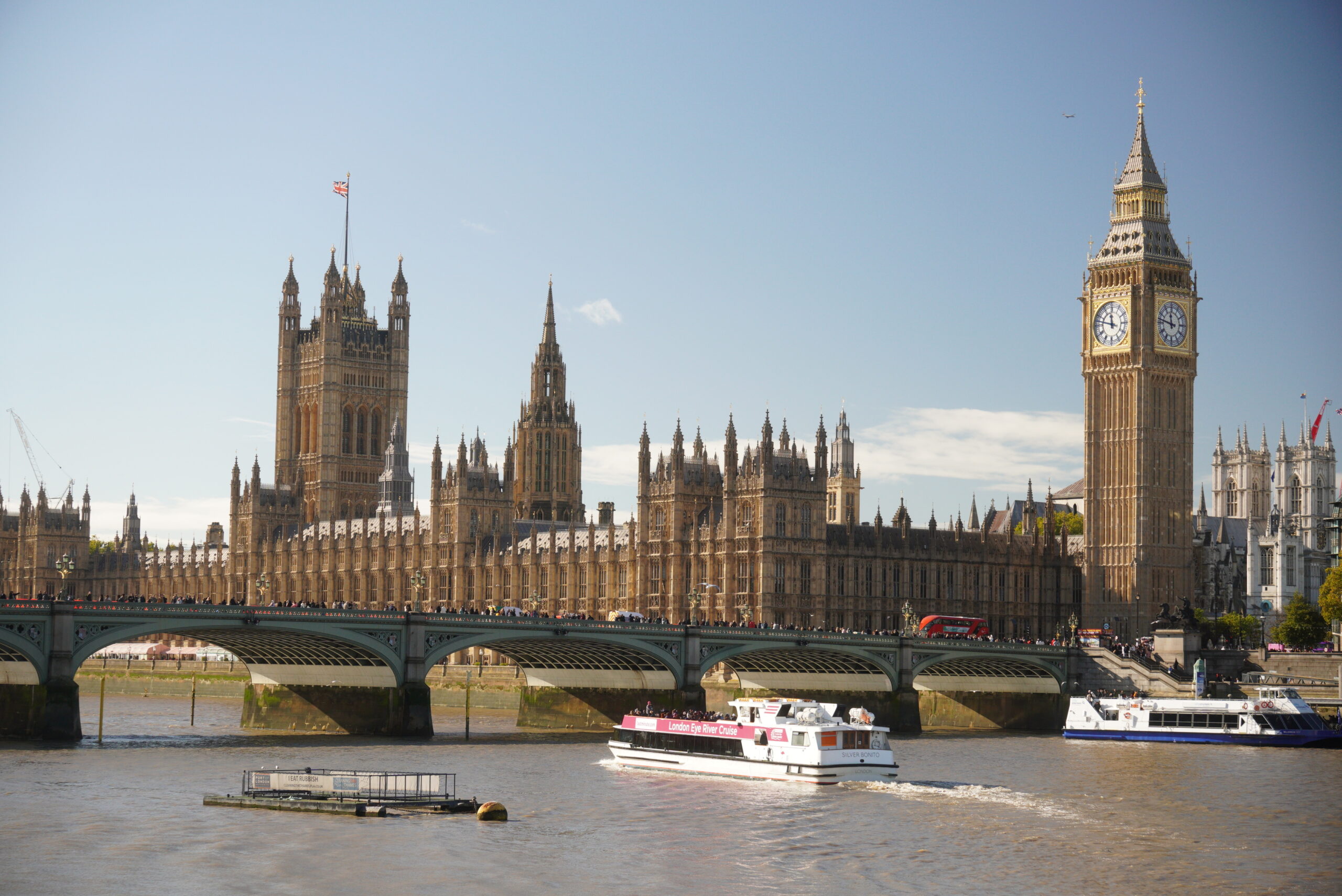
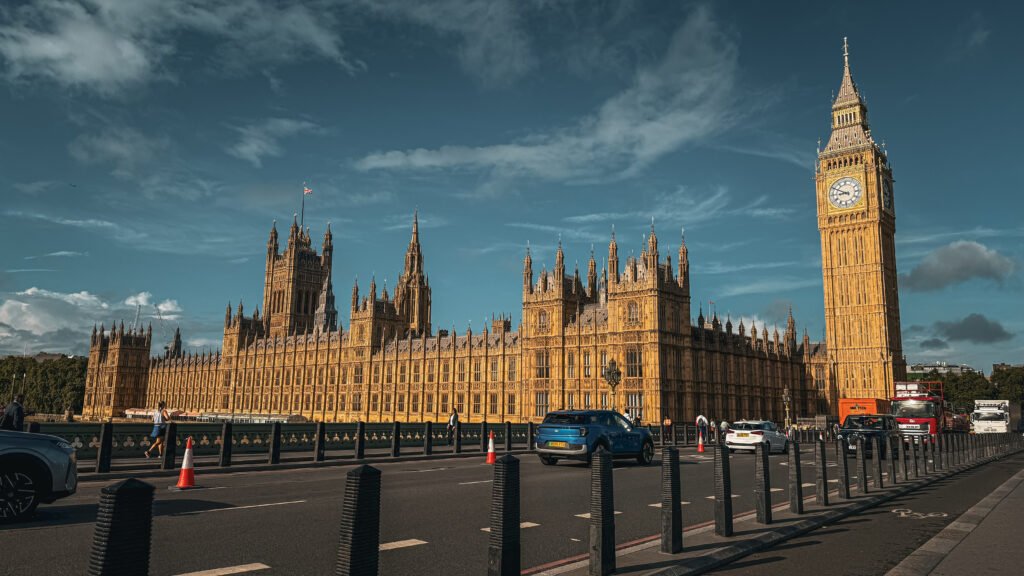
Westminster Bridge gives you one of the most classic London views in existence — Parliament, Big Ben, the Thames, all in one frame. It’s one of those places that still manages to be impressive even after you’ve seen it on every postcard, every film, every travel blog. Worth a few minutes of just standing there before the tourists arrive.

Westminster Abbey
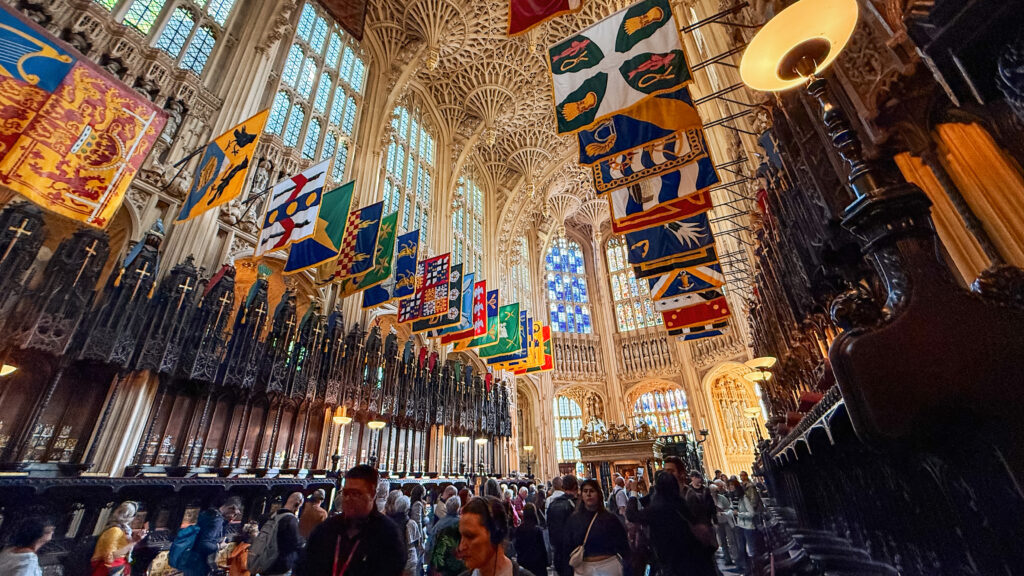
Westminster Abbey opens at 09:30, and we made sure to be near the front of the queue. The Abbey has been the site of every royal coronation since 1066 and is the burial place of monarchs, poets, scientists, and prime ministers — the sheer density of history inside is genuinely difficult to process. Walk slowly. Read the plaques. Give yourself more time than you think you need.
Tip: Book tickets in advance online. The Abbey can sell out during summer, and the ticket queue at the door eats into your morning.
Buckingham Palace & Change of the Guard
If your timing works out (and it can!), if you plan it, you can walk from Westminster Abbey to Buckingham Palace in about 15 minutes and arrive in time for the Changing of the Guard. The ceremony typically takes place at 11 am (check the official schedule before you go, as it varies by day and season: changing-guard.com).
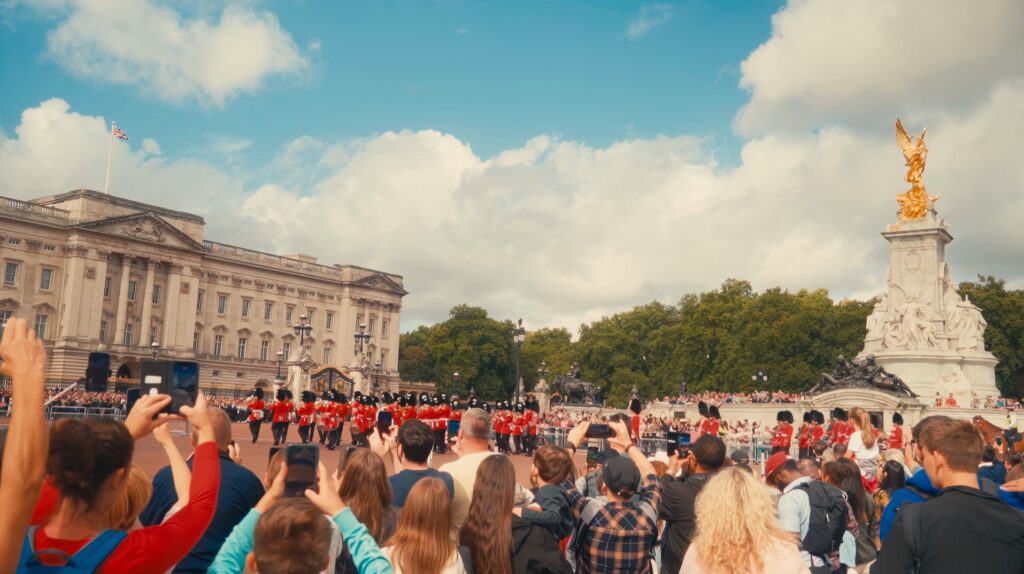
The ceremony itself is exactly what it looks like: ceremonial, slow, accompanied by a band, and very British. It’s worth seeing once. If you want a good spot, arrive 30–45 minutes early and position yourself near the front gates. If you’re happy to watch from a distance, later is fine.
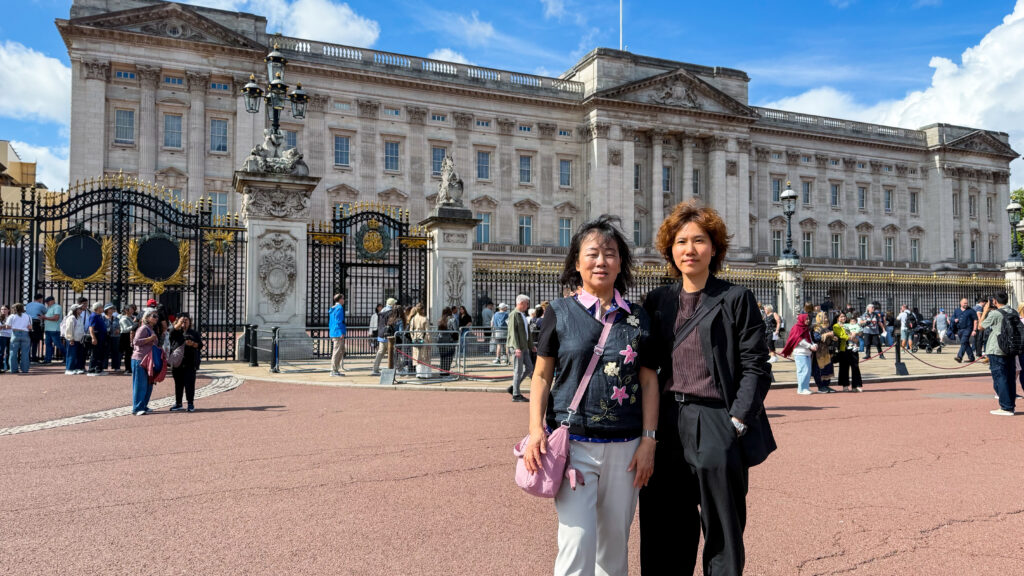
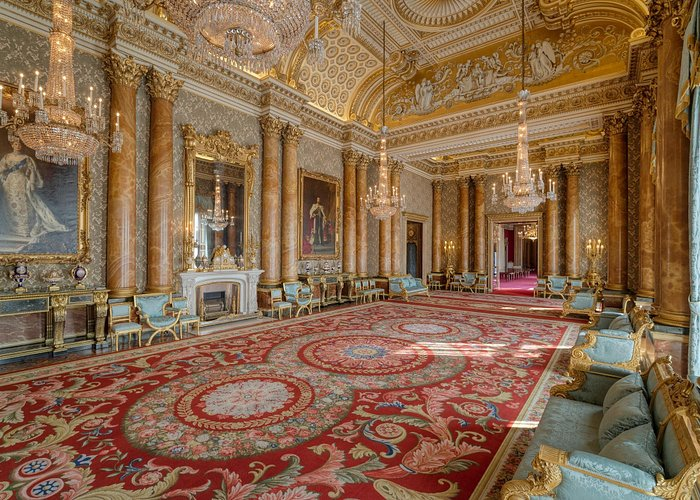
Buckingham Palace is open to visitors in summer only — the State Rooms are accessible when the Royal Family is not in residence, which is typically late July through September. Photography isn’t allowed inside, but the rooms are genuinely impressive in person. Worth it if you can get tickets. The best detail: if you print your ticket rather than using a digital version, you can get it stamped on the way out, and it converts into an annual pass, valid for a return visit within 12 months.
Covent Garden
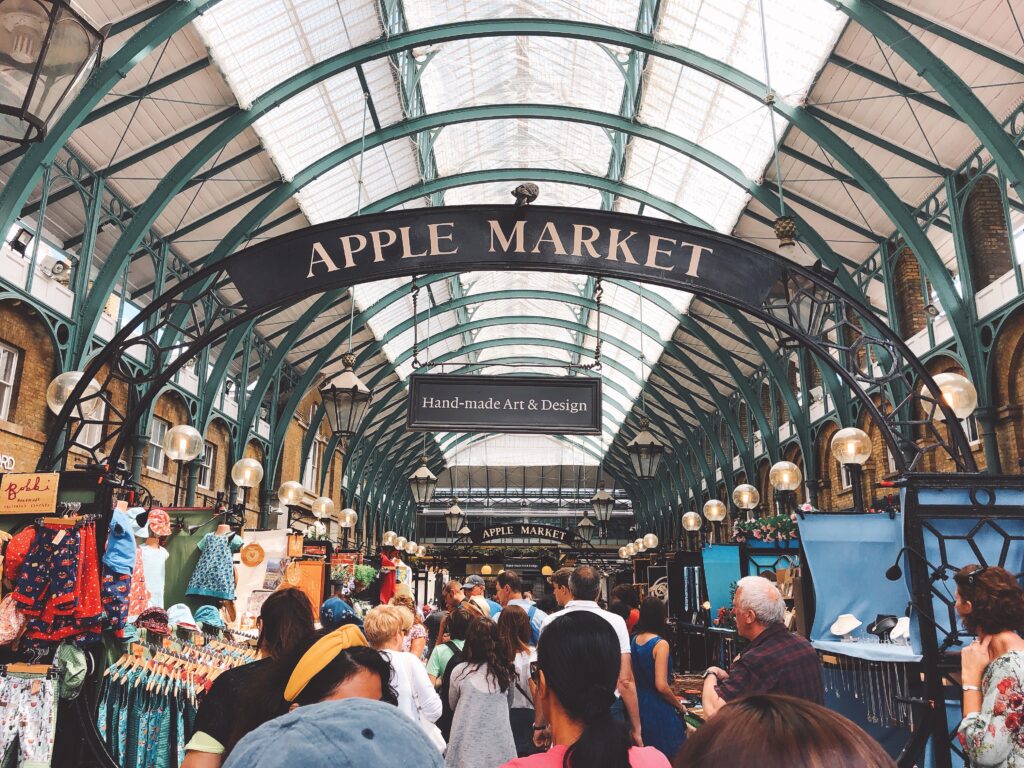
From Buckingham Palace, head east to Covent Garden. The market building and the piazza around it are reliably lively, with street performers, independent shops, and restaurants at every price point. It’s one of those places that works well as a mid-afternoon pause: somewhere to sit down, get a coffee, have lunch, and let the energy of the city wash over you without any particular agenda.
Piccadilly Circus
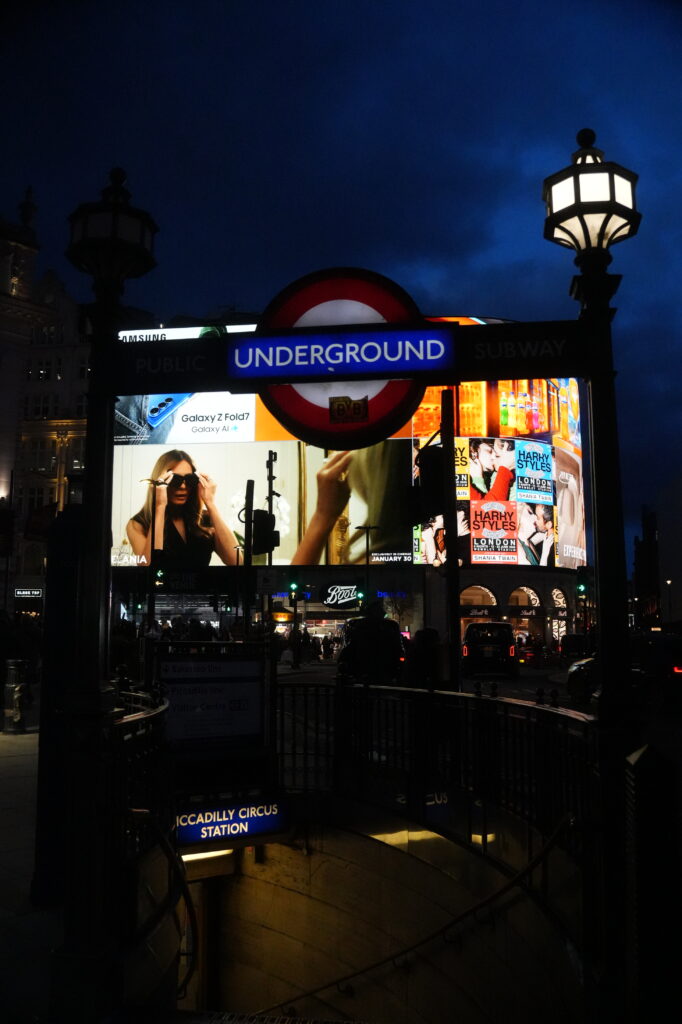
Worth a stop on the way to or from dinner. The illuminated advertisements, the Eros statue, the sheer number of people funnelling through. It’s one of those London scenes that delivers on the postcard version. Better in the early evening when the lights come on properly.
Day 2: Stonehenge & Kew Gardens
This is a long day, but a good one. Both sites are doable from London; the key is starting early and not trying to do too much at each stop.
Stonehenge
Stonehenge is about 90 minutes from London by car, or you can take a train to Salisbury and connect by bus or taxi. We got there for the first visitor slot of the morning, which I’d strongly recommend — the crowds build quickly, and the site feels very different with 20 people versus 200.
The stones are roped off at a distance during standard visiting hours, which surprises some people. They’re still striking, and the audio guide does a good job of filling in what you’re looking at. We were lucky: bright sunshine for the whole visit, then heavy rain the moment we left. Timing is everything at Stonehenge.
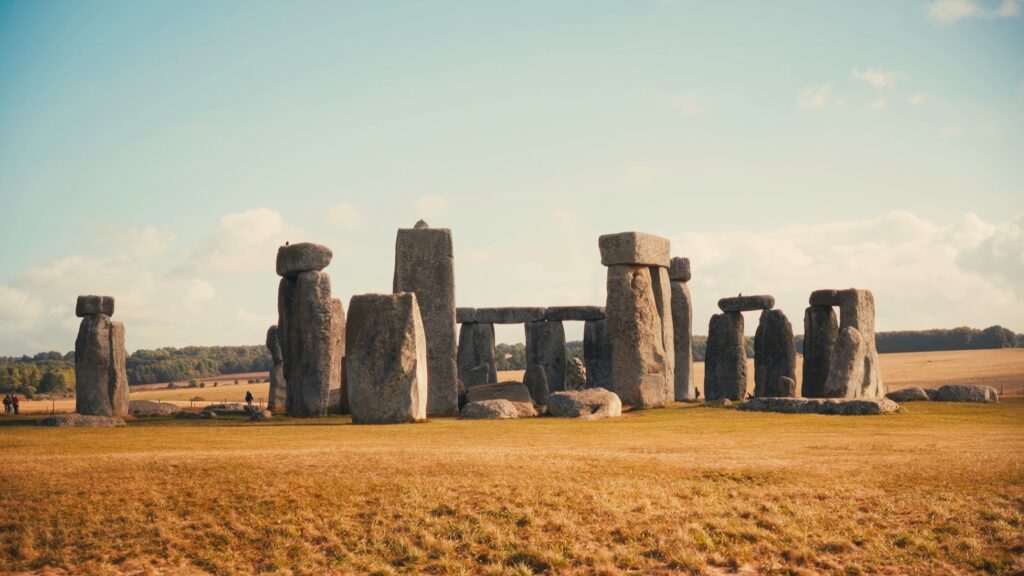
If you want something more, book the Stone Circle Access Experience well in advance. These are small-group visits that happen at sunrise or sunset, when the site is closed to general visitors, and they let you actually walk among the stones. Sunset especially is supposed to be extraordinary — the light through the trilithons at that hour is the kind of image that doesn’t need a filter. Book here.
Tip: Book all Stonehenge tickets in advance. The site has timed entry and sells out during the summer.
Kew Gardens
After Stonehenge, head back east to Kew Gardens — about an hour’s drive, or a straightforward journey by train to Kew Gardens station on the District line.
The gardens cover 330 acres, which sounds like a lot because it is. Don’t try to tick everything off. The best approach is to pick a few things you want to see and spend the rest of the time just wandering — following paths that look interesting, stopping when something catches your eye. That was how we ended up having one of the most relaxed afternoons of the whole trip.
The Palm House is the one to prioritise. Built in 1848, it’s a Victorian iron-and-glass greenhouse shaped like the hull of an upturned ship, housing over 1,000 tropical plant species in dense, humid rainforest conditions. It’s warm inside, genuinely tropical warm — which is either delightful or slightly suffocating depending on how you feel about that. Either way, it’s visually stunning and worth every minute.
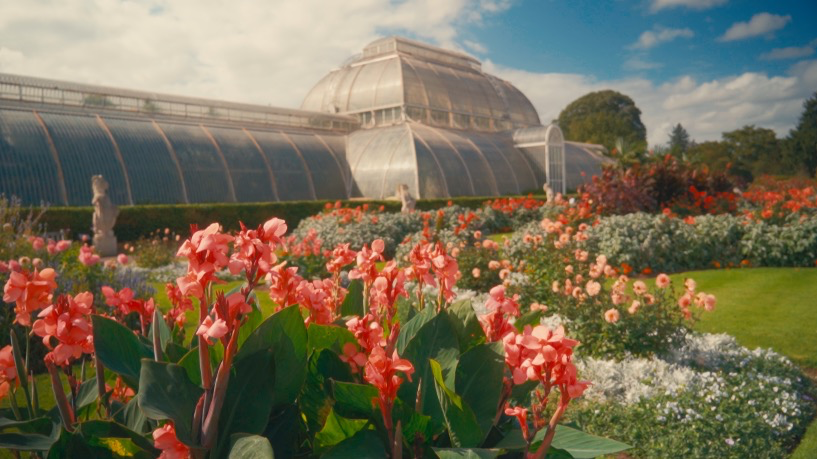
The Temperate House is the other standout. It’s the largest surviving Victorian greenhouse in the world — 628 feet long — and houses over 1,200 species from Asia, Australasia, the Americas, and Africa. More spacious than the Palm House, with a cathedral-like quality to the ironwork. Both are genuinely impressive in ways that photographs don’t fully capture.
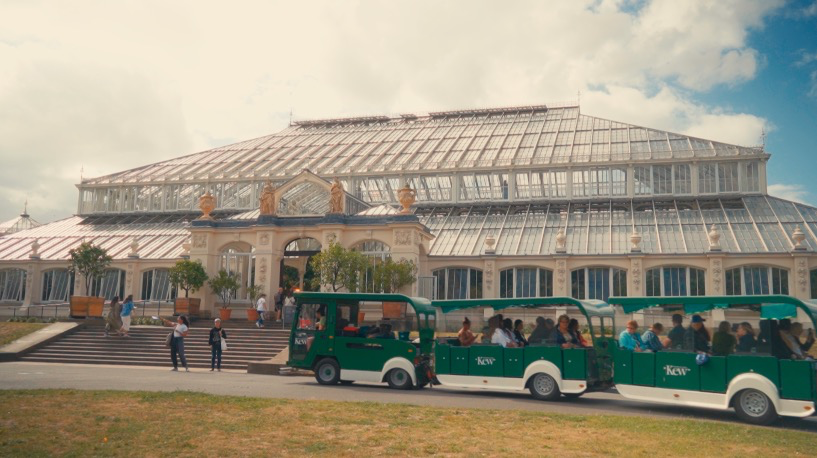
After the glasshouses, the outdoor gardens are where we slowed down properly. We found a spot, bought ice creams, and sat in the sun for a while. No agenda, nowhere to be. If you can do the miniature train that runs through the gardens, do it — it covers more ground than you’d manage on foot and is more charming than it has any right to be.
Tip: Kew is large enough that comfortable shoes matter more than you think. Book tickets in advance online.
Day 3: East London, Tower of London & the Museums
Uber Boat to Tower of London
Start the day by taking the Uber Boat by Thames Clippers. If you’re staying in East London, board from Canary Wharf and ride to Tower Pier — five minutes’ walk from the Tower of London entrance. If you’re coming from central London, board at Embankment or Bankside.
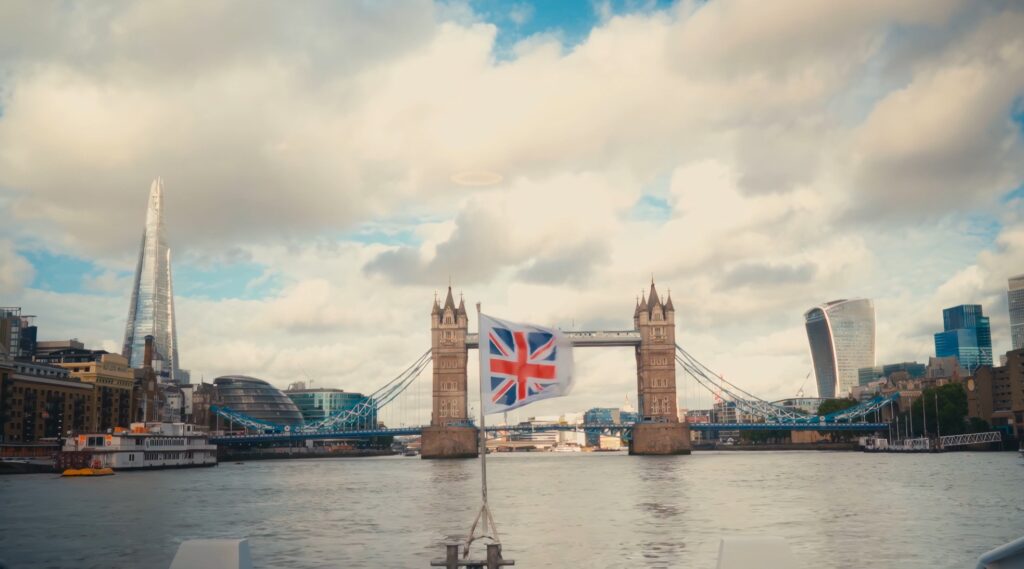
I’d recommend this over the Tube for this particular journey. You come in along the river, with Tower Bridge appearing ahead of you as you approach. It’s a proper good arrival. In London, how you get somewhere is sometimes as good as the thing itself.
Tower of London
The Tower of London has been a royal fortress, a prison, a mint, an armoury, and a zoo over the course of its thousand-year history. Today it’s one of the most visited sites in England, and deservedly so — there’s more to see here than most people expect.
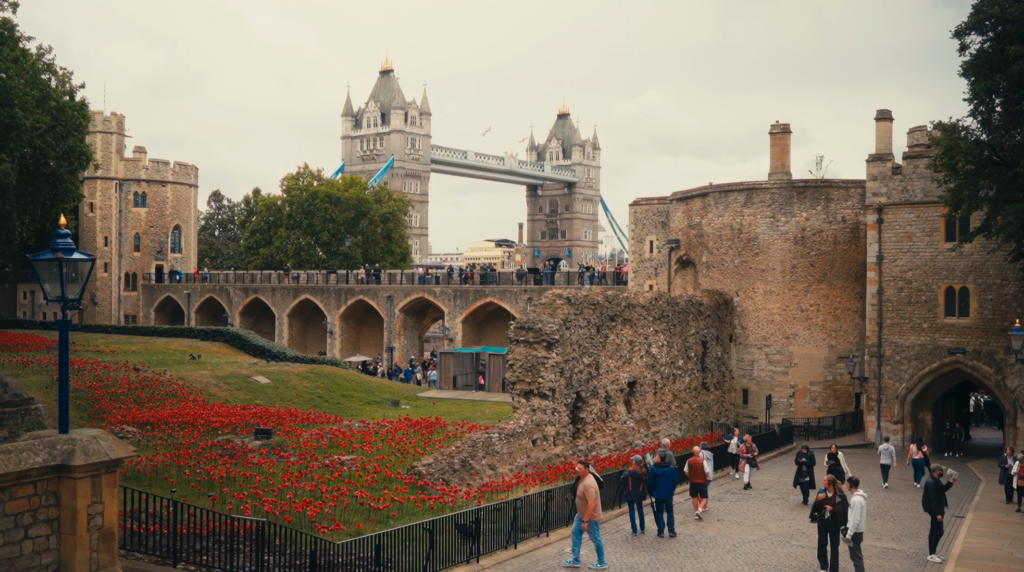
The Jewel House is where the Crown Jewels are kept, and it’s the highlight for most visitors. Over 23,000 gemstones, including the Imperial State Crown used at coronations. Go here first when you arrive — the queues build throughout the day. Photography isn’t allowed inside the display area, but the moving walkway that takes you past the centrepiece collection is one of those genuine “I can’t believe I’m looking at this” moments.

The White Tower is the original Norman keep at the heart of the complex, built by William the Conqueror in the 1070s. Inside you’ll find the Royal Armouries collection — medieval armour, weapons, the armour of Henry VIII — spread across several floors. The 11th-century Chapel of St John the Evangelist at the top is quietly beautiful and worth a few minutes of stillness.
The Ravens are one of those London things that sounds like a tourist gimmick until you actually see them. Six ravens are kept at the Tower at all times — legend holds that if they ever leave, both the Tower and the kingdom will fall. Charles II apparently took this seriously enough to make it policy, and it’s been observed ever since. They roam the grounds freely, looked after by a dedicated Yeoman Warder called the Ravenmaster. They are large, intelligent, and visibly unbothered by tourists. Don’t feed them or get too close; they can and do bite.
Tip: Book tickets in advance, especially in summer. The Yeoman Warder (Beefeater) tour is included in admission and is worth joining.
Sky Garden
A five-minute walk from the Tower, Sky Garden sits at the top of 20 Fenchurch Street — the building Londoners call the Walkie-Talkie — and offers one of the best free views in the city. Three floors of indoor gardens and open terraces at 155 metres, with 360-degree views across the Thames, Tower Bridge, the Shard, and the City skyline.
The catch: tickets are free but timed, and they go fast — available to book online up to three weeks in advance. Don’t assume you can walk in on the day, especially in summer. Book as soon as you know your dates.
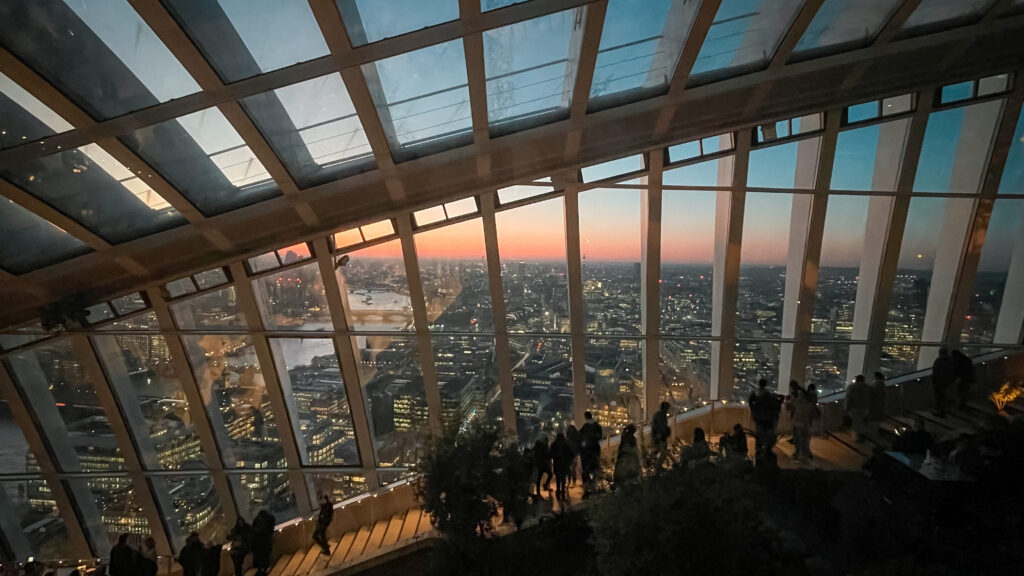
There’s a bar and restaurant inside if you want to make an occasion of it, though the views are the real draw. Even just going up for 30 minutes and walking around the terraces is worth it.
Tip: Book free tickets here — check availability early, they go quickly.
Natural History Museum
From the Tower, take the Tube west to South Kensington. The Natural History Museum is free and one of the finest museums in the world — the dinosaur skeleton in the entrance hall alone is worth the trip. The building itself, a grand Victorian cathedral of terracotta and limestone, is as much a spectacle as the collections inside.
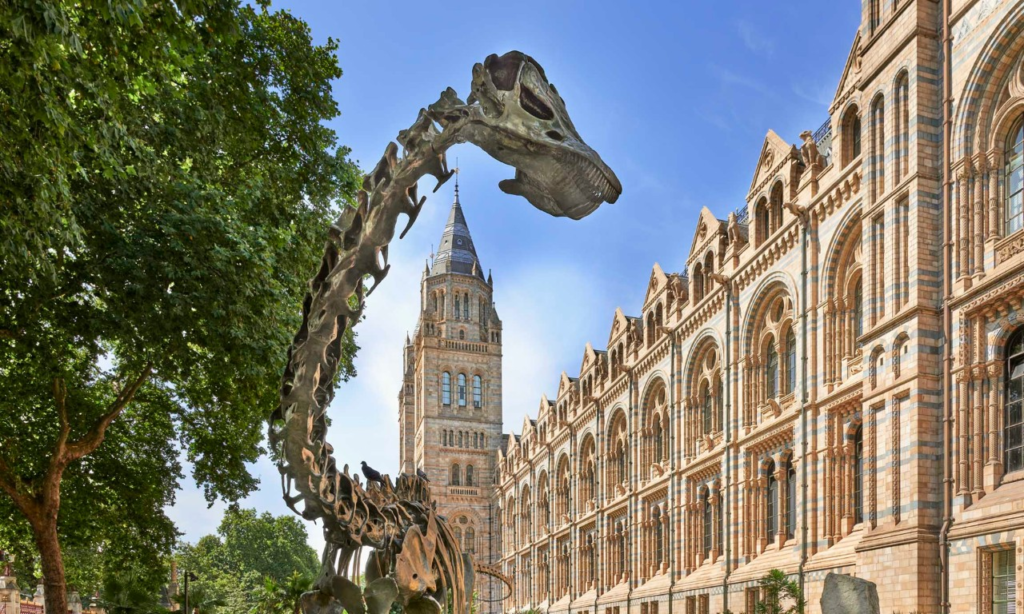
I would recommend spending at least two hours. The blue whale skeleton in the Hintze Hall, the earthquake simulator, the gem and mineral galleries — there’s more than one visit can comfortably hold. If you’re going with family, the Darwin Centre and the wildlife photography exhibition are both consistently impressive.
Tip: Free entry, but it gets crowded on weekends and school holidays. Arrive when it opens at 10 am to beat the main rush.
V&A
The Victoria and Albert Museum is directly across the street from the Natural History Museum, and it would be a mistake not to at least go in. The V&A houses one of the world’s greatest collections of art, design, fashion, and textiles — spread across seven floors of a building that is itself a work of art.
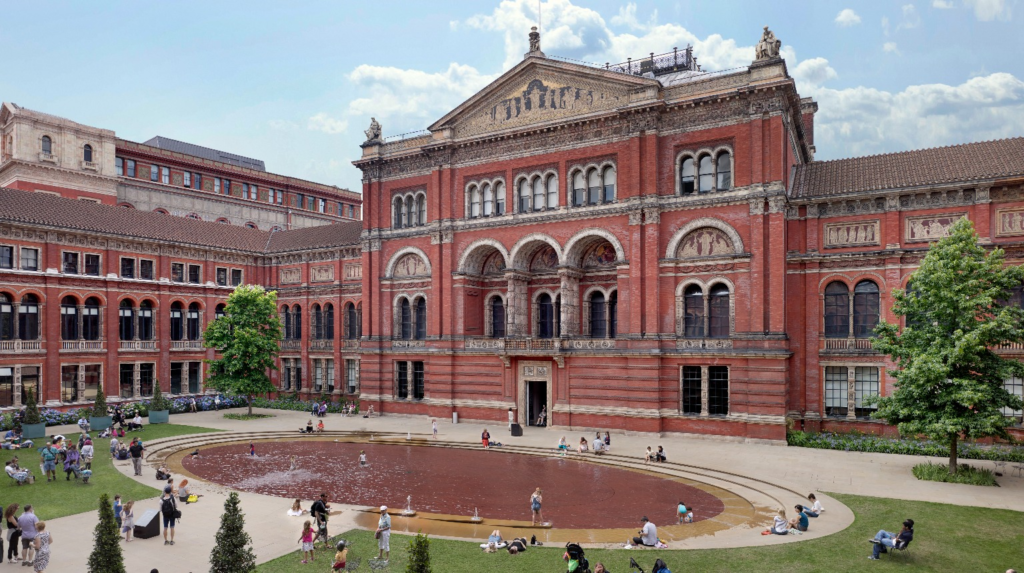
Even if you only have an hour, walk through the Cast Courts (plaster casts of great European sculptures, including Michelangelo’s David at full scale), the jewellery galleries, and the fashion collection. There’s always something to stop you in your tracks.
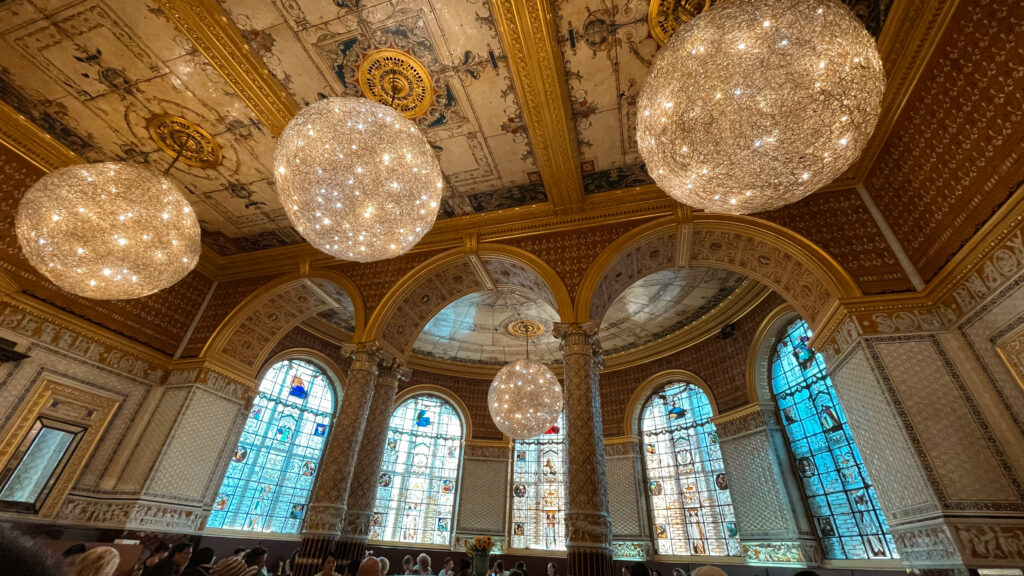
The V&A restaurant deserves its own mention. It’s one of the most beautiful dining rooms in London — three connecting Victorian rooms with original tile work, stained glass, and ironwork, all designed by Morris, Gamble, and Poynter in the 1860s. Having lunch or afternoon tea here is one of those genuinely lovely things to do in London that isn’t on enough people’s lists. Highly recommended.
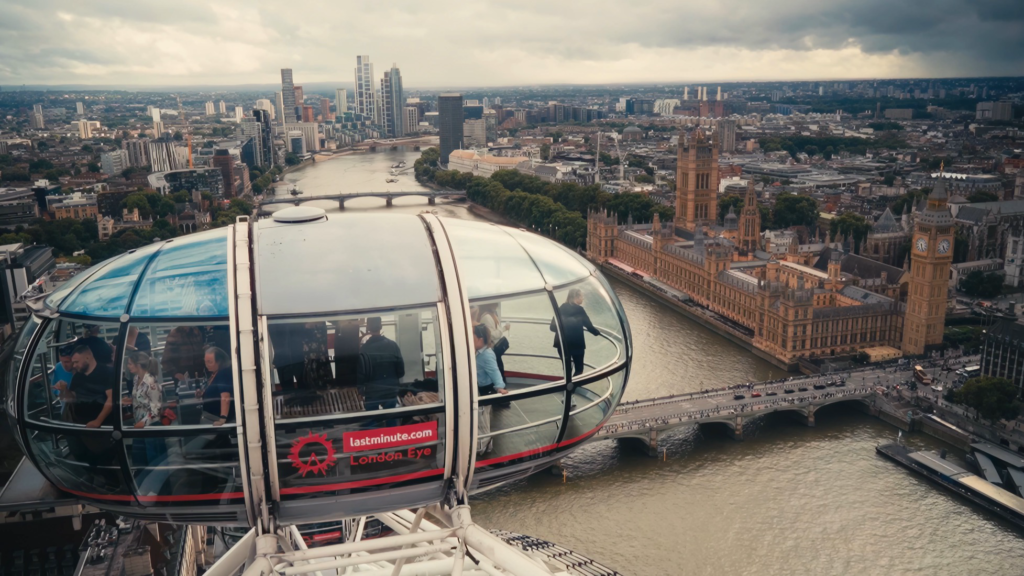
London Eye
Incredible view of the Thames River from the top, it’s pricey, but it’s worth doing it!

What I’d do differently
Spend more than one day in the museum quarter. The Natural History Museum and V&A in an afternoon is rushed. They’re both world-class and next door to each other — a full day here, or even a day and a half, would have been more satisfying.
Book everything in advance. Buckingham Palace, Westminster Abbey, Tower of London, Stonehenge — all of these can sell out or have significant queues on the day in summer. Book tickets as soon as you know your dates.
Take the Uber Boat more than once. We used it on Day 3 and immediately regretted not building it into more of the trip. The river is one of the best ways to understand London’s geography, and it costs roughly the same as a Tube journey.
Leave more time between things. Three days sounds like a lot until you’re in it. London is big, and getting between places takes longer than you expect. Build in a buffer. Half the best moments of this trip happened in the gaps between the planned ones.
Three days in London with family is both too much and not enough. You cover the classics, you make memories, and you leave with a list of everything you didn’t get to. That list is the point — it’s the reason you come back.
Next up from this trip: Oxford, the Cotswolds, and Bath. A different kind of England entirely.
Useful links
- Westminster Abbey — tickets and opening hours
- Buckingham Palace — summer opening and State Rooms
- Change of the Guard schedule
- Stonehenge — tickets and Stone Circle Access
- Kew Gardens — tickets and visitor info
- Tower of London — tickets and Yeoman Warder tours
- Natural History Museum — free, no booking required
- V&A — free; restaurant booking recommended
- Uber Boat by Thames Clippers — timetables and tickets
- London Pass — multi-attraction pass including Uber Boat
You might also like



Explore more: UK · Europe · Taiwan · USA · All posts →