


Living in London has a way of making the rest of England feel theoretical. You know it exists. You fully intend to go. And then another year passes, and you’ve been to approximately zero of the places people actually travel from around the world to see.
Last summer, my mum and aunties came to visit. That changes things. I had to plan the whole trip for them.
We did three days: Oxford, the Cotswolds, and Bath. Below is what we visited, what we ate, what surprised us, and what I’d do differently. If you’re planning a similar trip from London — whether it’s your first time or you’re finally doing the things you’ve been putting off, this is what worked for us.
Watch the vlog: I filmed my England trip too, so if you want to see the atmosphere, the river, and the little streets in motion. Check below 🙂
Getting there from London
We drove for this trip, which I’d recommend — particularly for the Cotswolds leg, where a car makes a real difference. The villages aren’t well connected by public transport, and driving between them is part of the experience. Narrow country roads, sheep, limestone walls on both sides. You want to be able to pull over when you feel like it.
By car from London:
- London to Oxford: around 1 hour 15 minutes via the A40 (traffic dependent)
- Oxford to the Cotswolds: around 30–45 minutes depending on which village you’re heading to
- Cotswolds to Bath: around 45 minutes to 1 hour
One thing to plan for: parking in the Cotswolds villages fills up fast in summer, especially at Bourton-on-the-Water and Bibury. Get there early, or accept that you’ll walk a bit from wherever you can find a spot.
By train from London:
- London Paddington to Oxford: around 1 hour
- London Paddington to Bath Spa: around 1 hour 30 minutes
- The Cotswolds by train is trickier — Moreton-in-Marsh is the most useful station, and from there you’d rely on local buses to reach the villages. Doable, but slower.
If you don’t want to drive but still want to see the Cotswolds’ villages, guided day tours from London or Oxford are worth looking at. They cover the main stops (usually Bourton, Bibury, Burford) and take the logistics off your plate.
Where we stayed
We based ourselves in Oxford for the first part of the trip and drove out to the Cotswolds and Bath from there.
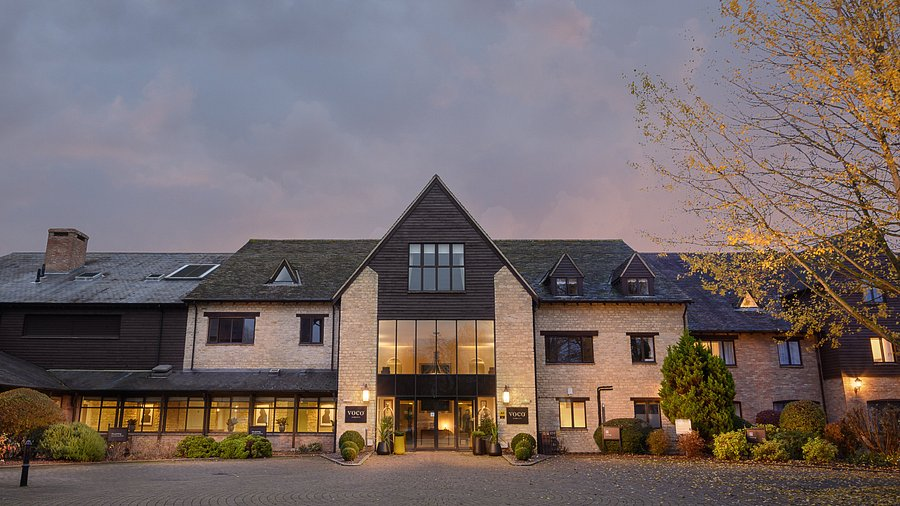
voco Oxford Spires by IHG was a good call, especially because we had a car. It sits just outside the city centre, which means it’s quieter and noticeably cheaper than the hotels right in the middle of Oxford — but still close enough that you can drive in easily and find parking without much hassle. The rooms are comfortable, breakfast was genuinely good, and the whole place has a slightly resort-like feel that works well as a base for a few days. If you’re doing this trip by car and don’t want to pay central Oxford hotel prices, this is the kind of place worth considering.
Oxford
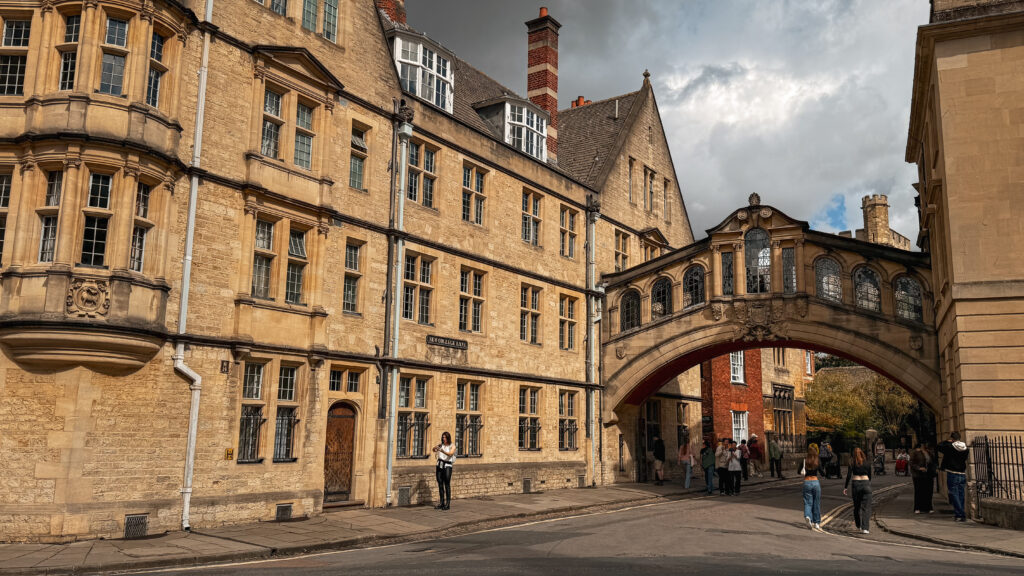
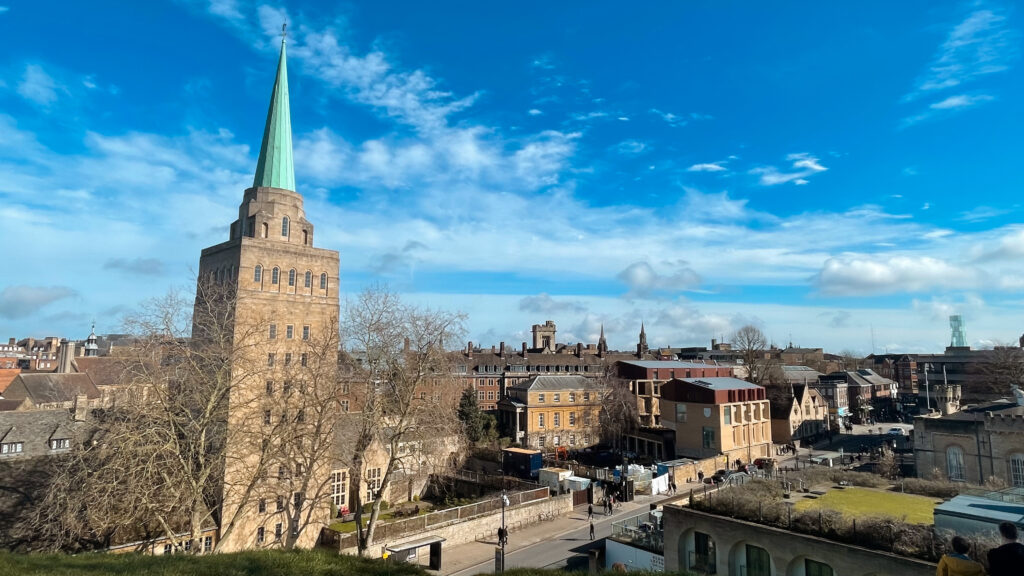
Oxford is about an hour from London by train and genuinely feels like a different country when you arrive. The city and the university are the same thing here — colleges line the main streets, most of them still in active daily use. It’s old in a way that doesn’t feel preserved or touristy; it just is. Budget a full day if you can. Half a day gets you the surface.
Oxford Covered Market
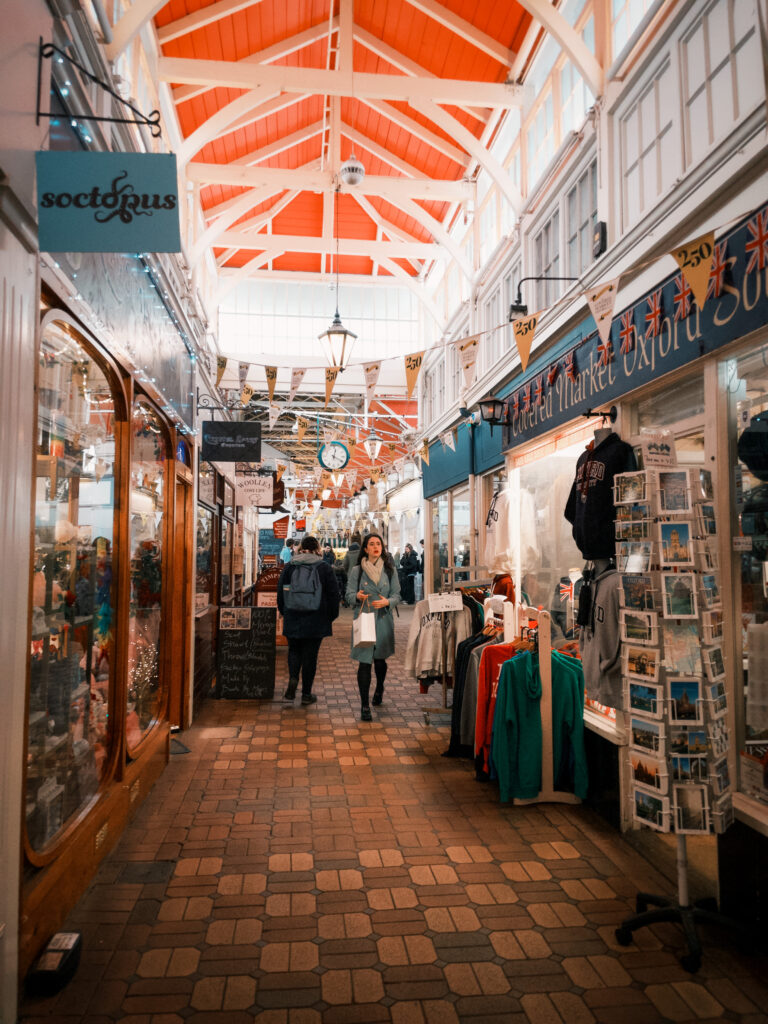
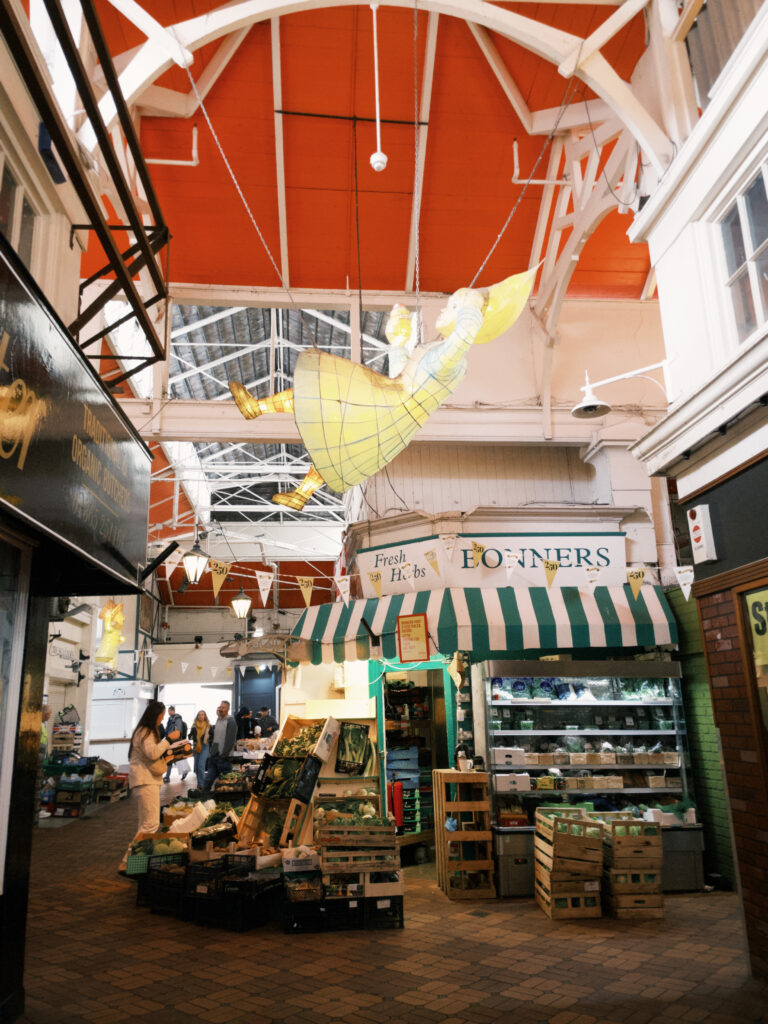
The Oxford Covered Market has been running since 1774 and sits just off the high street — easy to miss if you’re not looking for it. Inside, it’s all independent traders: butchers, florists, jewellers, and a handful of cafés that have been there long enough to feel like fixtures. The food options here are genuinely impressive.
Georgina’s Cafe Deli
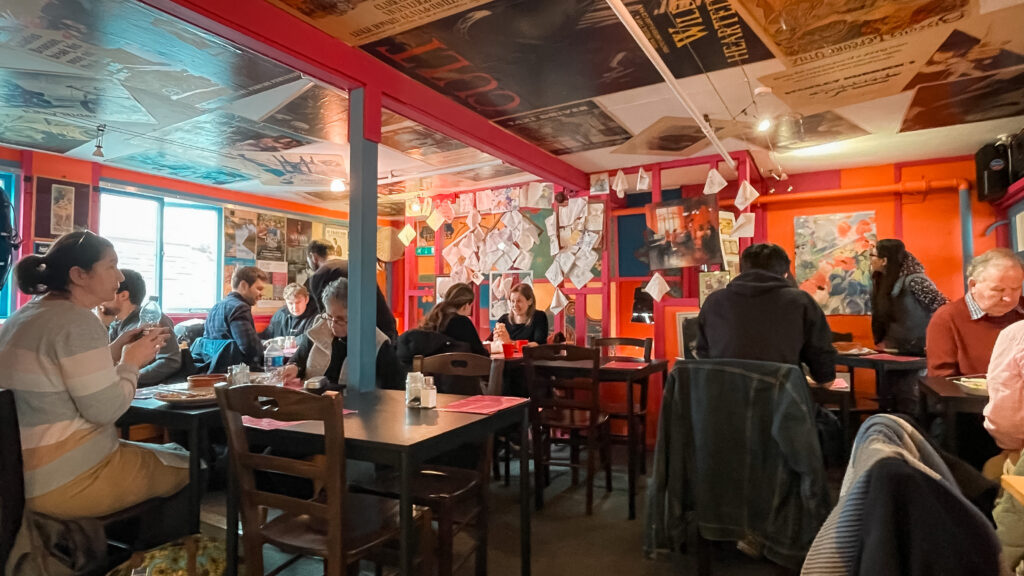
Our top pick was Georgina’s Cafe Deli: authentic Greek food, no fuss, and priced reasonably for what you get. We’d recommend it to anyone visiting Oxford.
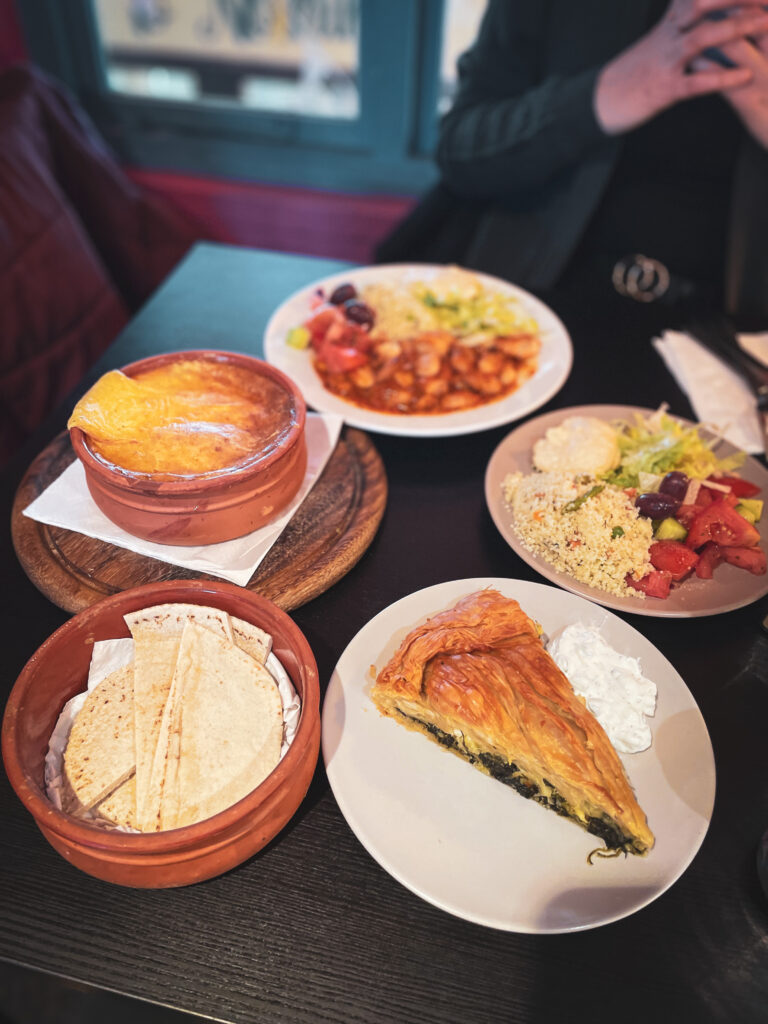
Tip: Find the market entrance on Market Street, just off the High Street. Worth going in even if you’re not hungry — the stalls are good browsing.
Christ Church
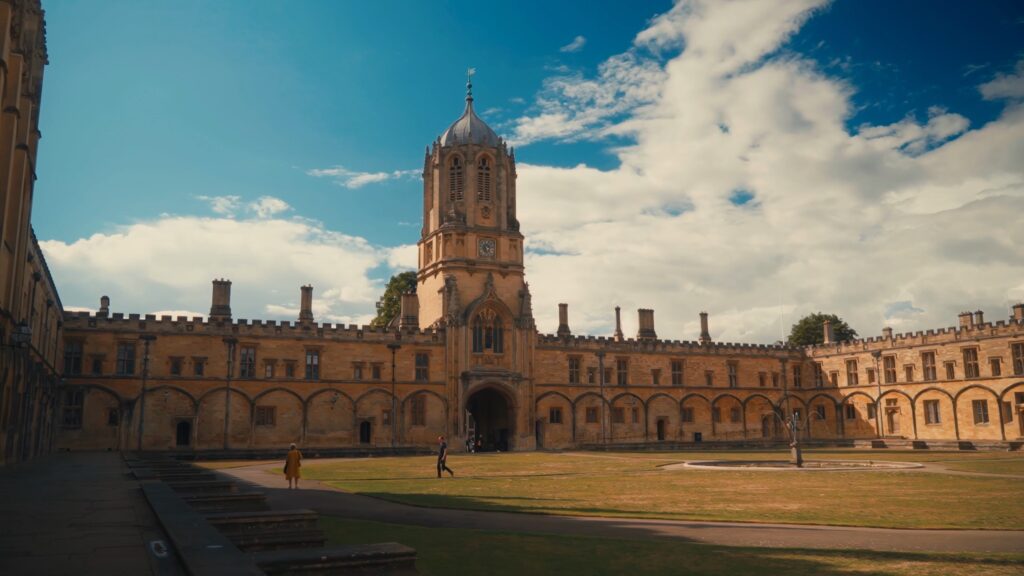
Christ Church is a working Oxford college that doubles as one of the most recognisable buildings in the world, partly because the Great Hall served as a filming location for Harry Potter. The tour takes you through the hall, the courtyard, and the grounds — and even if you’re not a fan of the films, the architecture more than carries it. For my family, who were visiting England for the first time, walking into spaces like this was something they hadn’t expected to feel so genuinely exciting. As someone watching that reaction, it was a highlight of the whole trip.
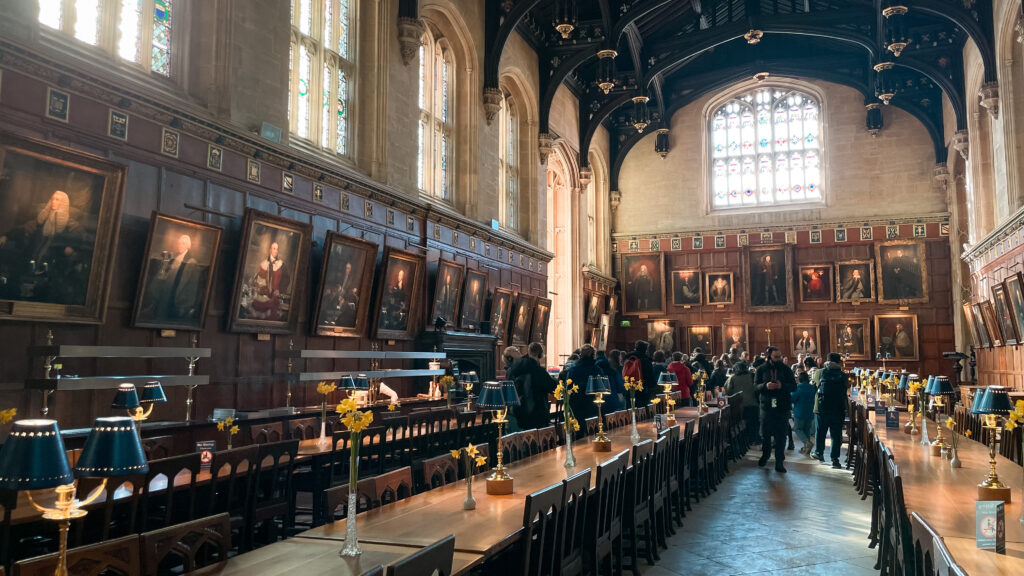
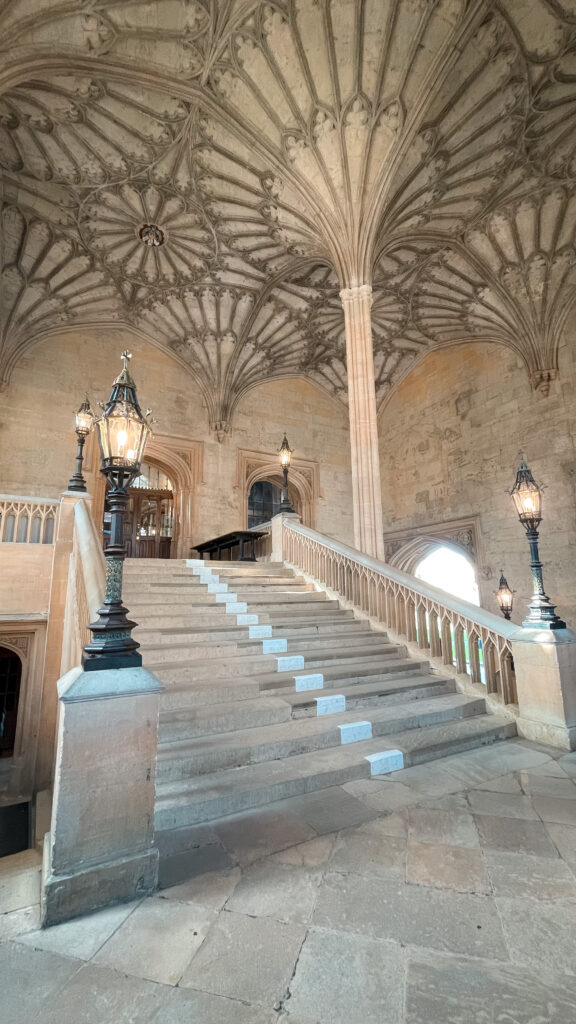
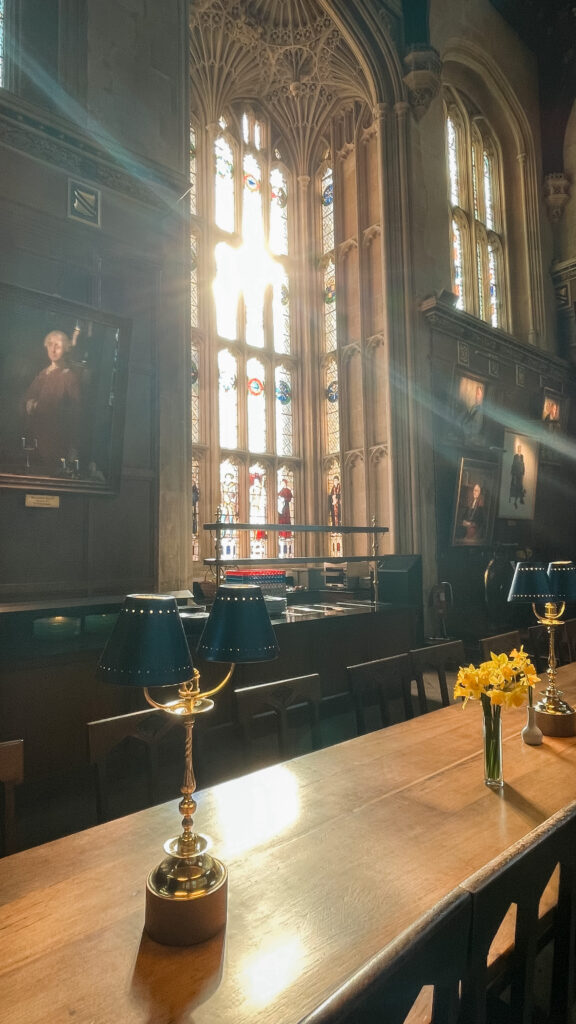
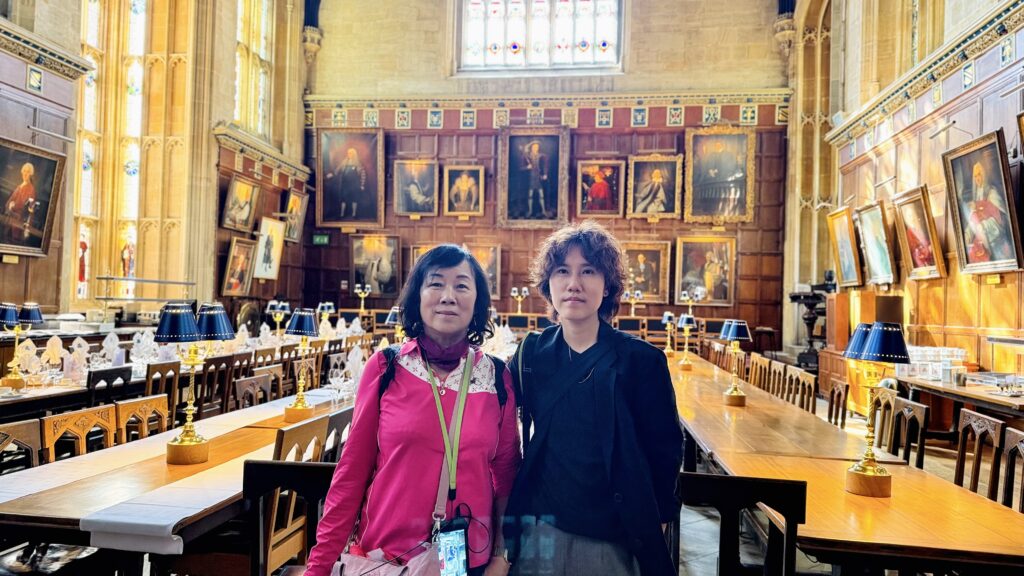
Tip: Book tickets in advance online. In summer, the gate queues are slow, and timed entry windows fill up.
Guided tours | Christ Church, University of Oxford
Oxford University Museum of Natural History
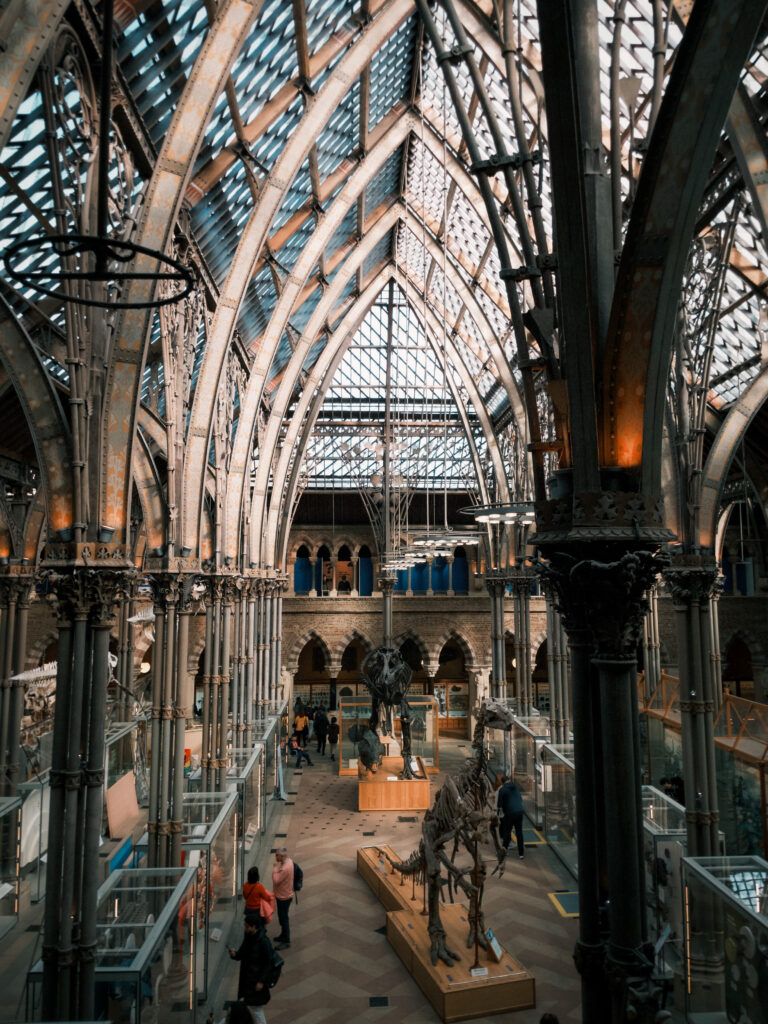
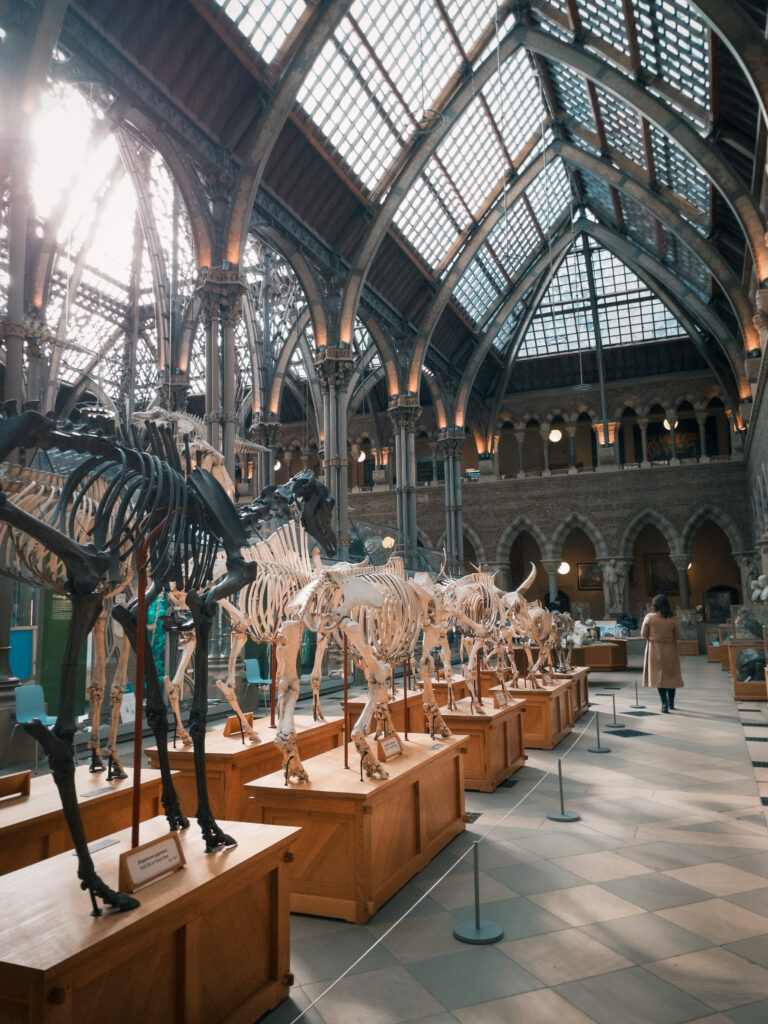
This wasn’t in our original itinerary, but ended up being one of my favourite stops in Oxford. Unlike the Natural History Museum in London, this one is smaller, more intimate, and easier to take in. The building itself is a Victorian Gothic structure from the 1860s with a striking iron-and-glass ceiling that makes the whole space feel open and light.
My specific recommendation: go upstairs to the first-floor café and sit there for a bit. The elevated view over the museum floor — the collections, the architecture, the light coming through the ceiling — is genuinely beautiful. Don’t skip this for the sake of time!
The Cotswolds
The Cotswolds is about an hour and a half from London, or 30–45 minutes from Oxford — not a city or single town, but a region of English countryside made up of small limestone villages. Each one has its own character but shares the same warm stone, the same unhurried atmosphere, the same sense of time having moved more slowly here than everywhere else. The drive between villages is genuinely lovely. Don’t rush it.
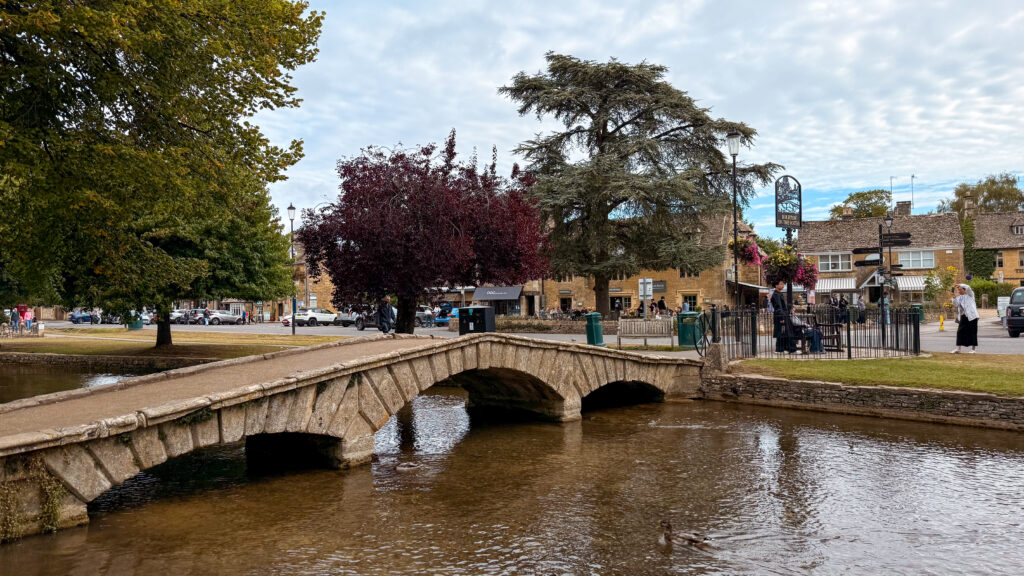
We covered Bourton-on-the-Water, Bibury, and Arlington Row in one day. That’s a reasonable amount — enough to feel like you’ve seen the Cotswolds without spending the whole day in the car. If you have more time, Burford, Stow-on-the-Wold, and Castle Combe are all worth adding to the list.
Bourton-on-the-Water
Bourton-on-the-Water is often called the Venice of the Cotswolds. That’s a bit of a reach — but it doesn’t take anything away from how lovely it is. A shallow river runs straight through the village centre, with low stone bridges crossing it at regular intervals. People sit on the banks, dogs wade in the water, and nobody seems to be in any particular hurry. For someone who spends most of their time in London, that kind of quiet is surprisingly effective. I felt genuinely relaxed within minutes of arriving.
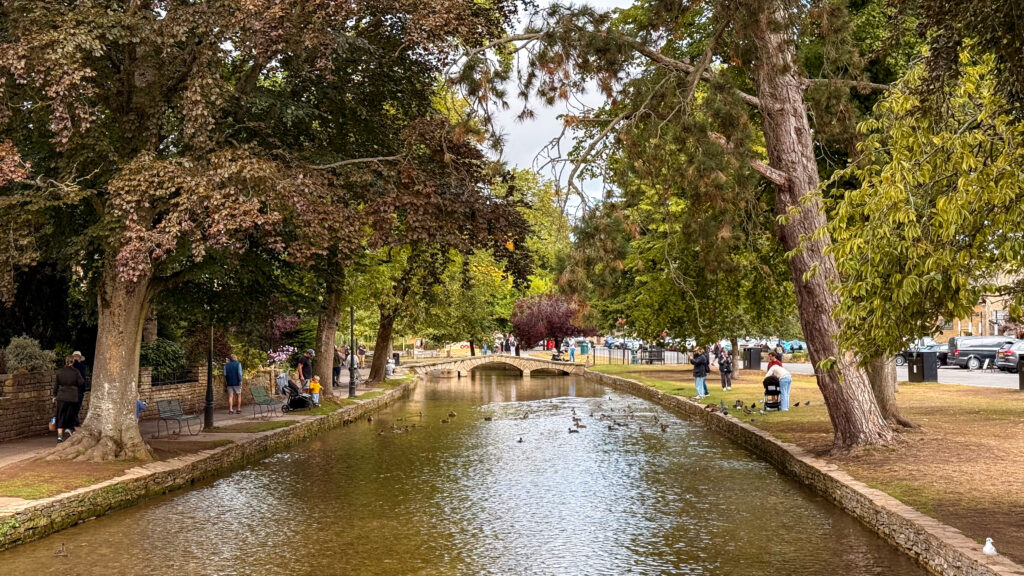
Tip: Parking fills up fast in summer. Arrive before 10 am if you can.
Bibury
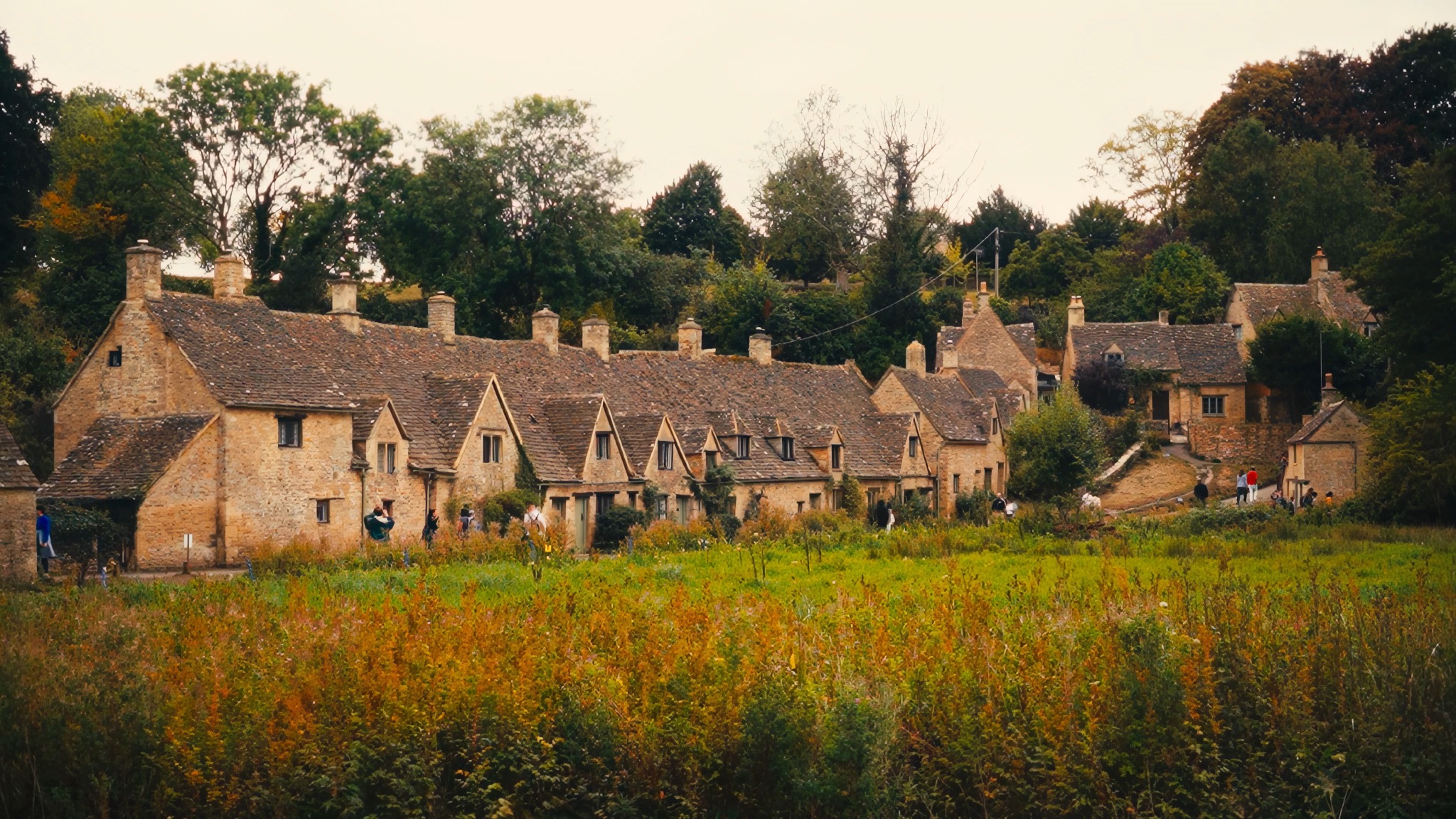
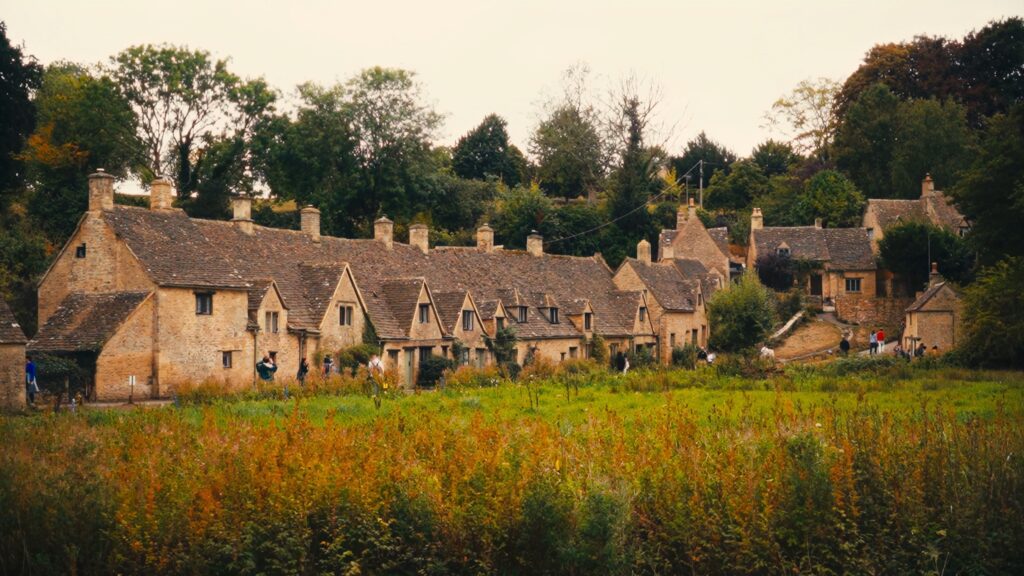
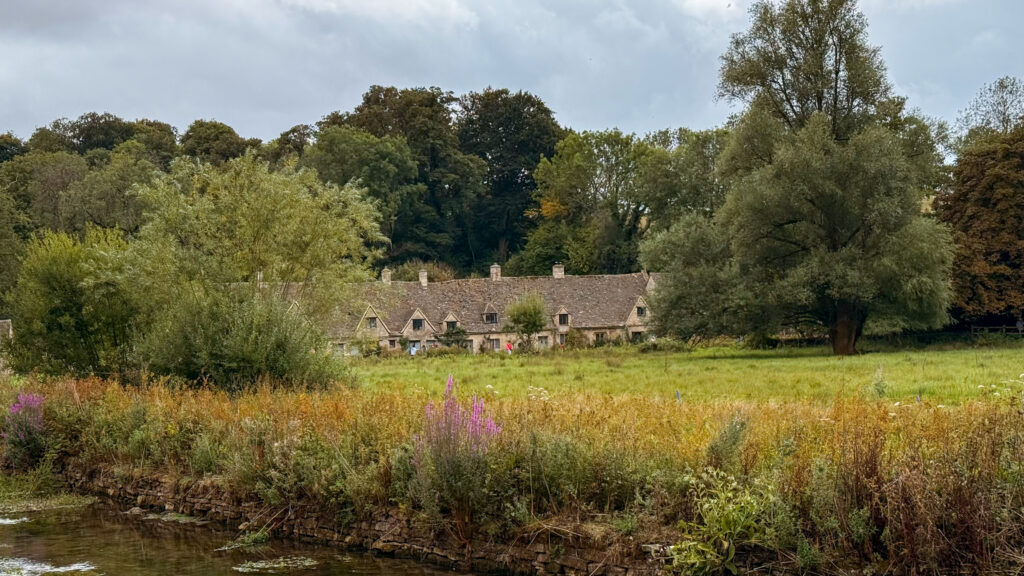
About twenty minutes from Bourton, Bibury is one of the most visited villages in the Cotswolds, and it earns it. The stone buildings, the stream running through, the way the whole village holds together without trying — it’s the kind of place that delivers on its reputation, which isn’t always guaranteed. William Morris called it the most beautiful village in England back in 1876. Hard to argue.
Lunch at ELEVEN BIBURY
ELEVEN BIBURY was a Google Maps find that turned out to be one of the better meals of the trip. The restaurant is set in a beautiful building right in the village, with outdoor seating across multiple levels. Walk up to the highest terrace if you can — the garden views from up there are lovely, and eating outside with the Cotswolds around you makes the whole thing feel worth the drive. The food is seasonal and well done. Highly recommended.
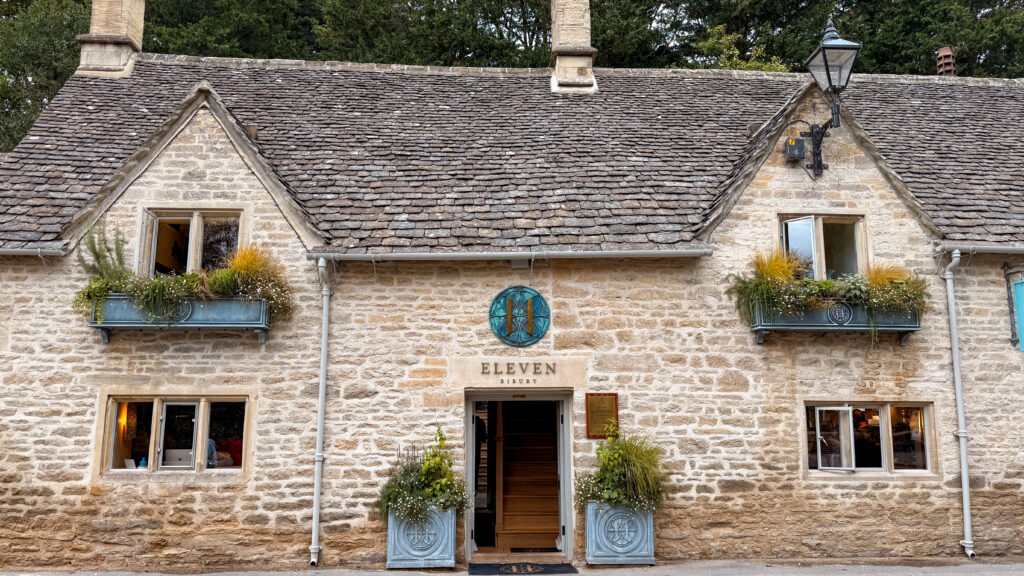
Tip: Ask for outdoor seating when you book, and request the upper terrace specifically.
Arlington Row
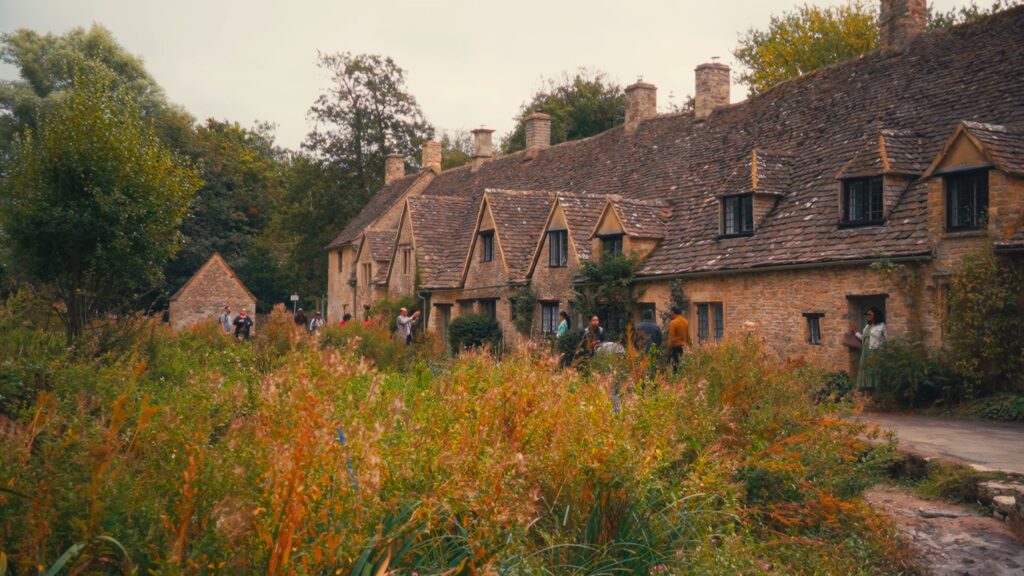
Arlington Row is the most photographed street in the Cotswolds: a row of medieval stone cottages with a stream in front and willow trees overhead. You’ve almost certainly seen images of it before you go. Go anyway. The cottages really are that beautiful in person, and no amount of prior exposure quite prepares you for it.
Bath
Bath sits about an hour from the Cotswolds and is unlike anywhere else in England. The city is built almost entirely of pale golden limestone, which gives it a rare visual coherence. It’s been a destination since Roman times and that history is still accessible in ways that are genuinely impressive rather than just decorative.
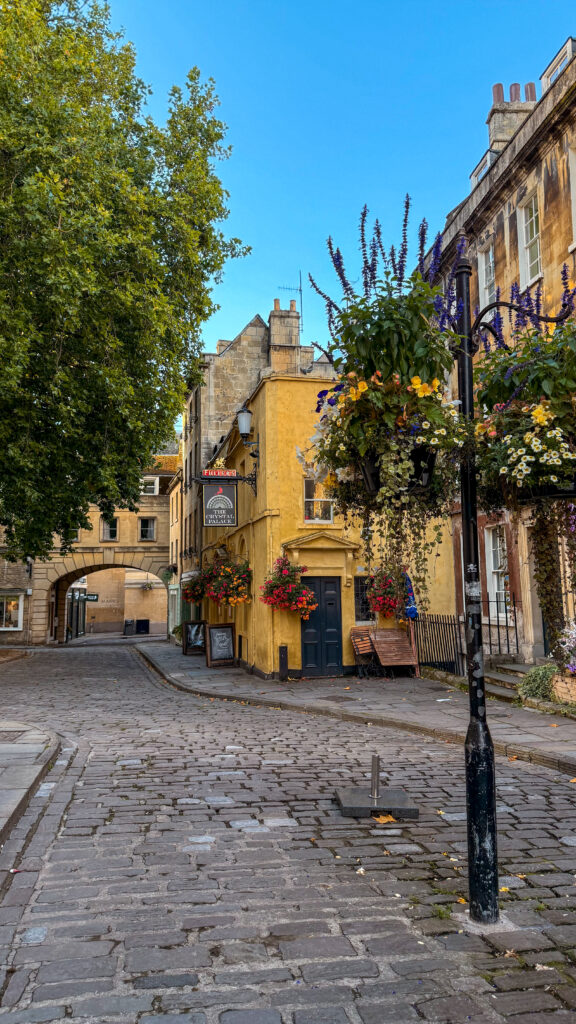
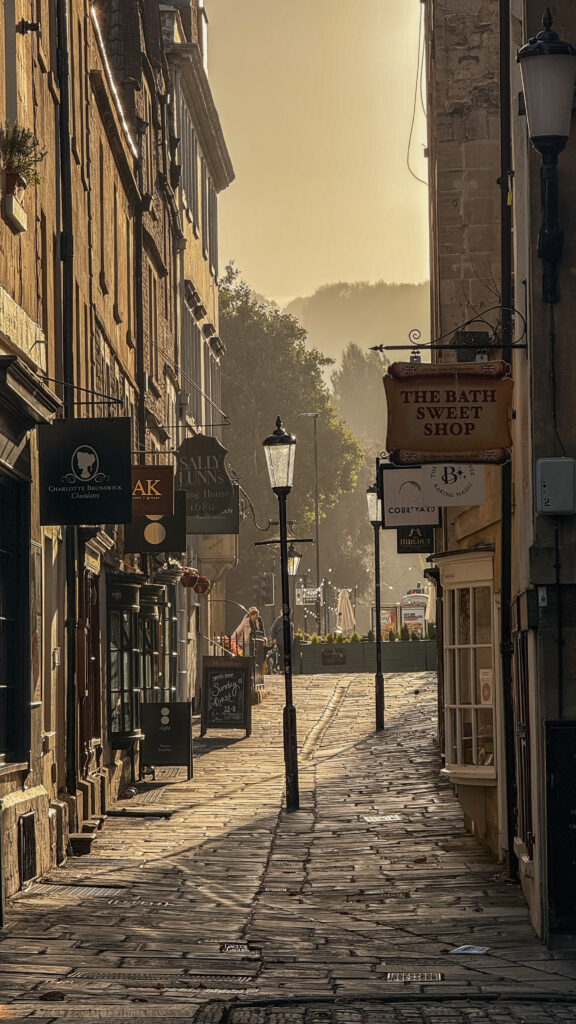
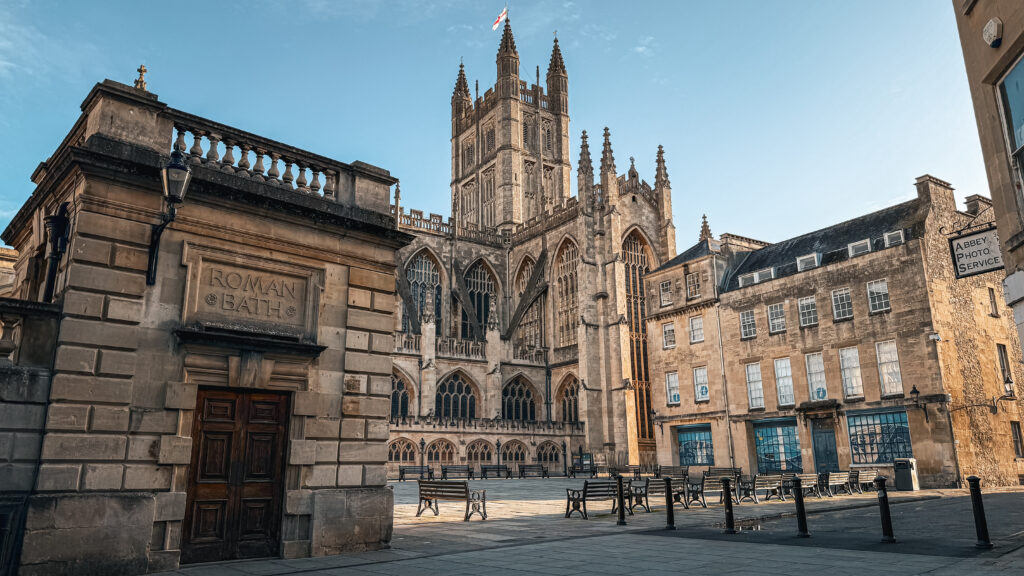
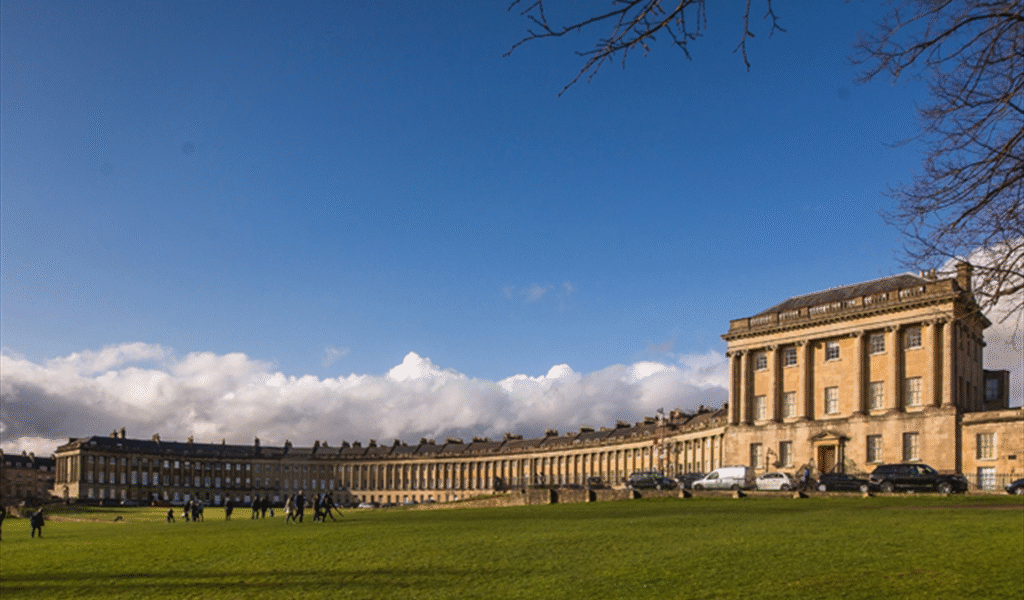
We arrived late afternoon and kept it to one stop, which was the right call for our schedule. But if you have a full day, Bath rewards it. The city centre is walkable and compact — Bath Abbey is right next to the Roman Baths, the Pump Room is worth a look even just for the architecture, and the Georgian streets (especially the Royal Crescent and the Circus) are striking enough to justify wandering without a plan.
Roman Baths
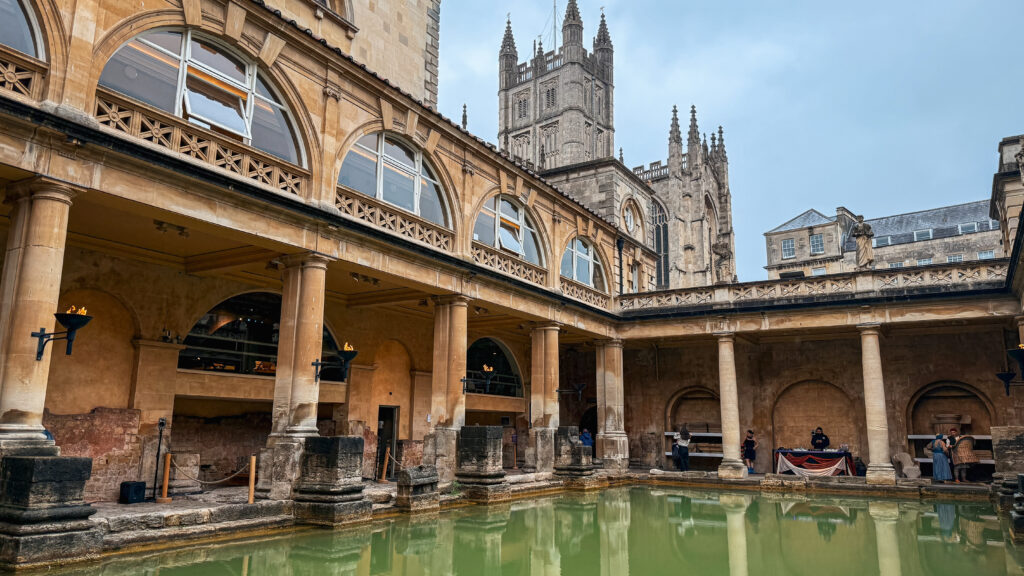
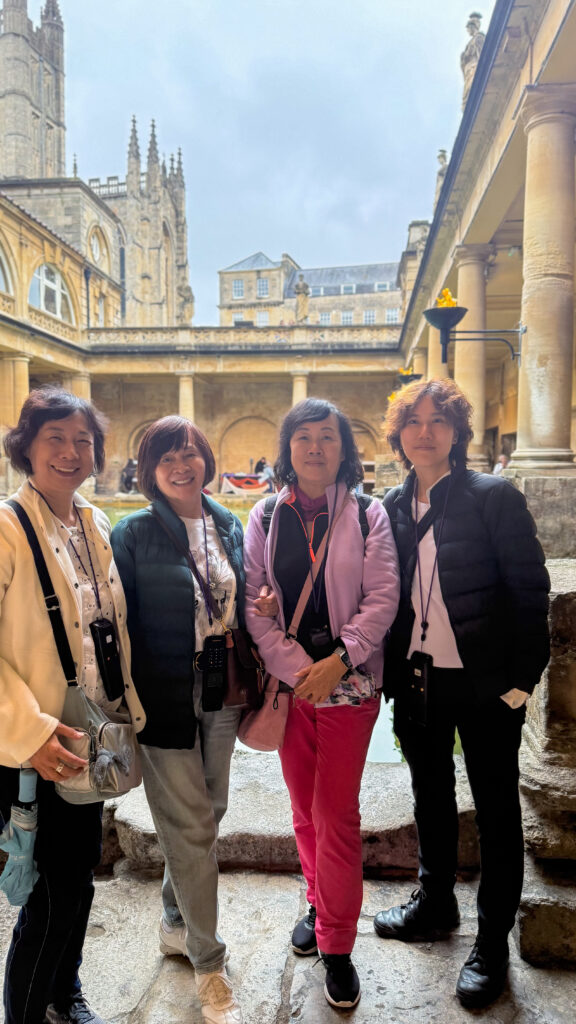
The Roman Baths were built in the first century AD around a natural thermal spring, and a staggering amount of the original structure has survived. The spring water rises from underground at 46 degrees Celsius — it’s been doing so for around 10,000 years. Walking through, you can see intact Roman lead pipes, preserved mosaic floors, and the sacred spring itself, where people threw coins and inscribed tablets asking the goddess Sulis for help. Some of those inscriptions are still legible and translated on the walls: requests for justice, for health, for lost things returned. That detail hit harder than I expected. And the engineering throughout left me genuinely baffled in the best way — I still can’t quite work out how Romans pulled half of this off. That’s a good way to leave a museum.
Tip: Book tickets online before you go. The audio guide is worth using; it adds a lot of context that the signage alone doesn’t.
If you have more time in Bath
The Pump Room, attached to the Roman Baths, is the classic spot for afternoon tea — it’s been the social heart of Bath for centuries, and the room itself is beautiful. Bath Abbey is directly opposite and worth going inside. And if you want to stretch your legs, the Royal Crescent is about a 15-minute walk from the centre and one of the best examples of Georgian architecture in the country.
What I’d do differently
Stay overnight in the Cotswolds. Day-tripping means you’re clock-watching from the moment you park, and the villages deserve more than a rushed few hours. Evening light on limestone is supposedly something else — I’d like to find out.
Give Oxford a second day. One afternoon was enough to see the highlights, but not enough to actually settle into the city. There are bookshops, pubs, and colleges I didn’t get to and Oxford is the kind of place that rewards wandering without a plan.
See more Cotswolds villages. We covered three in one day, which felt right for the time we had. But Burford, Stow-on-the-Wold, and Castle Combe kept coming up in everything I read beforehand, and I can see why. Next time.
Book everything in advance for summer visits. Christ Church and the Roman Baths, especially. We got lucky with timing; I wouldn’t rely on that again.
Where is your favourite spot? Comment down below!
You might also like


Explore more: UK · Europe · Taiwan · USA · All posts →